Hedge Trimming Pricing: What to Charge (2026)
Hedge trimming prices three ways — by the hour, by the bush, and by the foot — and quoting the wrong unit on the wrong hedge is how a $120 job swallows a Saturday. Typical rates run $50–$75 per hour, $10–$20 per small bush, and $1.50–$4 per linear foot on large hedge runs. Height, access and disposal decide where inside those ranges you land, and all three belong in the quote before the trimmer starts.
By the MowMath editorial team · Updated $1
Key numbers at a glance
| Job type | Typical U.S. price | Notes |
|---|---|---|
| Hourly labor | $50–$75 / hr | Default for overgrown, first-time or unpredictable work |
| Small bush or shrub (under 4 ft) | $10–$20 per bush | Balls and boxes; route work, routine maintenance only |
| Large hedge run | $1.50–$4 / linear ft | Prices height to about 8 ft |
| Hedge over 8 ft | +25–50 percent surcharge | Ladder, scaffold or pole work; slower and riskier |
The hourly floor is where every quote starts: $50–$75 per hour for most solo operators with commercial gear, which is the same floor that carries your mowing and cleanup pricing. From there, choose the unit by the work in front of you. Small balls and boxes under 4 feet are per-bush work at $10–$20 each — fast, repetitive, route-friendly. Long formal runs — a 60-foot privacy hedge along a property line — price per linear foot at $1.50–$4, because the foot count scopes the job from the curb and scales with height to about 8 feet. Anything overgrown, first-time or butchered by the previous guy prices hourly, because the shrub decides the hours, not your rate card.
Height is the single price mover operators most often eat. Once a hedge passes 8 feet, the work stops being a ground-level pass: it needs a ladder, pole hedge trimmers or a scaffold, plus a second person spotting or the stopwatch risk of a solo climb. The market pays a 25–50 percent surcharge over base for that tier, and it is cheap at the price — ladder falls are the injury that ends small operators, and the surcharge is what makes the risk insurable instead of heroic.
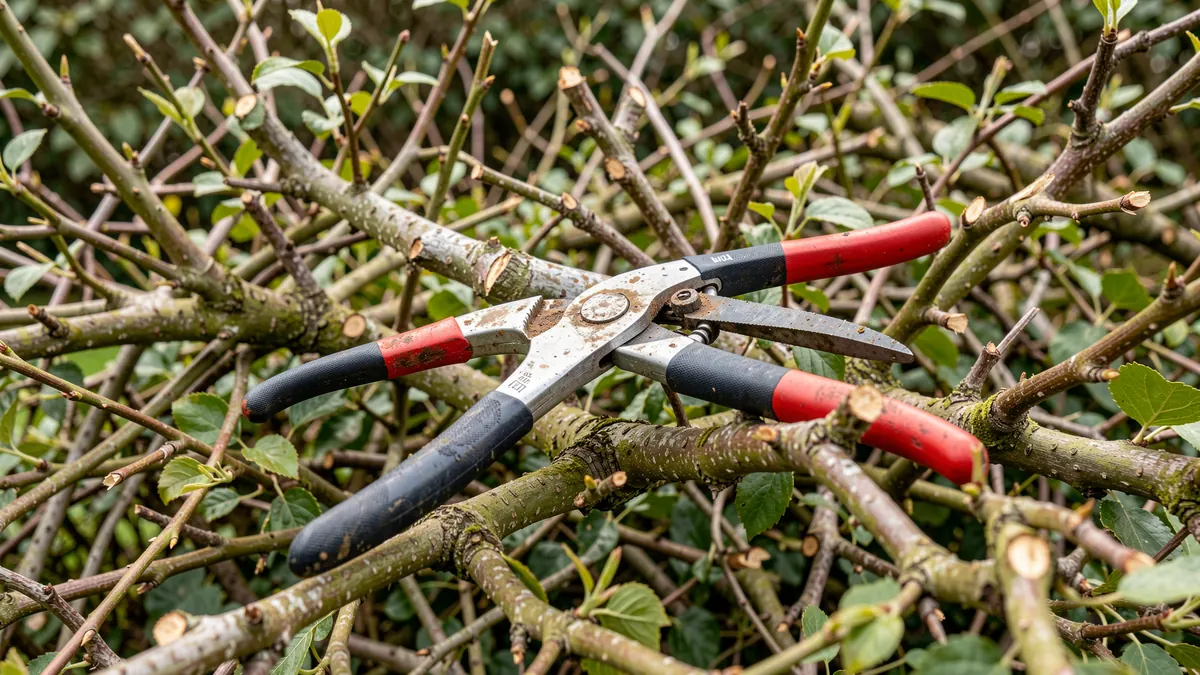
How to price hedge trimming
The standard rate card, nationwide:
| Job type | Typical U.S. price | Notes |
|---|---|---|
| Hourly labor | $50–$75 / hr | Default for overgrown, first-time or unpredictable work |
| Small bush or shrub (under 4 ft) | $10–$20 per bush | Balls and boxes; route work, routine maintenance only |
| Large hedge run | $1.50–$4 / linear ft | Prices height to about 8 ft |
| Hedge over 8 ft | +25–50 percent surcharge | Ladder, scaffold or pole work; slower and riskier |
| Clean-up and hauling | $25–$75, included or itemized | Tarp, blow, load, haul plus dump fees |
| Hard-to-reach hedges | Hourly with a difficulty modifier | Slopes, fence lines, AC units, thorns, tight side yards |
Two rules keep the card honest. First, the per-bush and per-foot rates assume a maintained hedge — soft seasonal growth coming off an existing shape. The moment the blades meet old wood, the job is a different service and prices hourly. Second, quote the whole job, not the cutting: a 100-foot hedge that looks like two hours of trimming is also two hours of raking, tarping and hauling, and the customer who was not told that will assume it was free.
Shaping vs reduction: quote them differently
They get one name from customers and should never get one price from you. Shaping is routine maintenance: clipping the season's soft growth back to the existing form, two or three times a season on fast growers, priced per bush or per foot and bundled into the route. Reduction is renovation — cutting an overgrown hedge hard into old wood to shrink its footprint or drop its height, often exposing dead interior branches and hollow centers nobody could see from the curb. Reduction prices hourly at $50–$75 with a not-to-exceed number, because nobody — including you — knows what is under the shell until it is opened, and some shrubs respond to a hard cut with renewal while others respond with a permanent hole. Say which one you are selling on the quote. The customer who bought a shape and received a stump will not renew; the customer who bought a reduction and got a smaller, healthier hedge will.
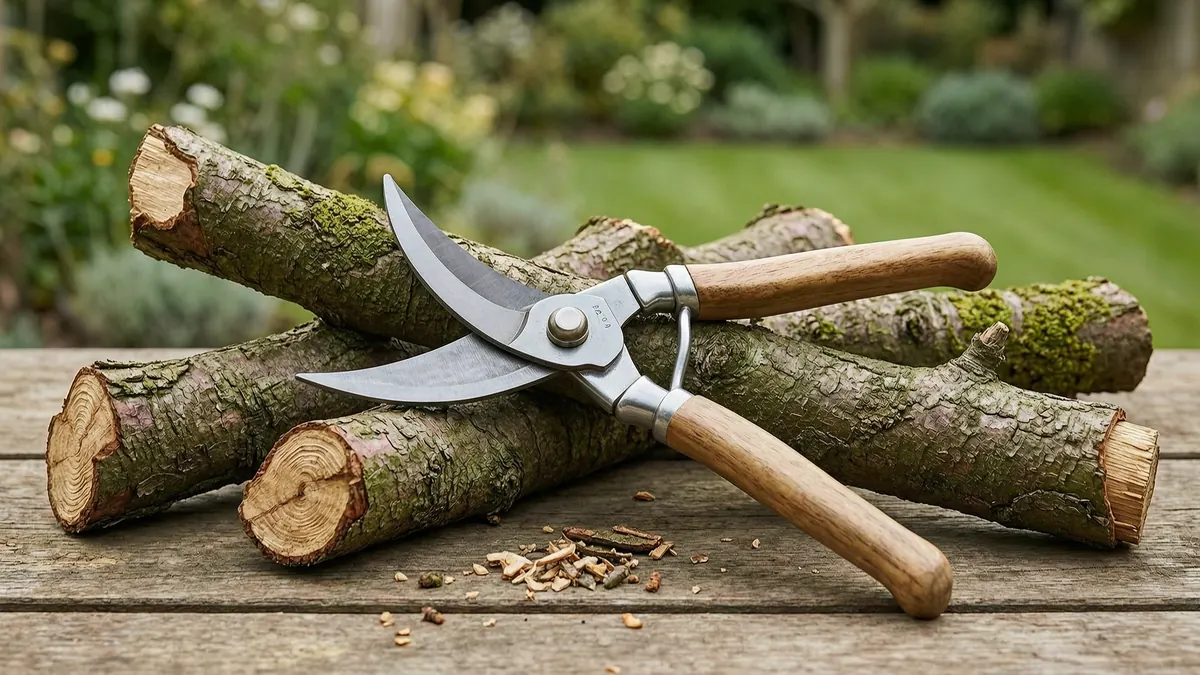
Safety and clean-up pricing
Height carries the headline surcharge, but it is not the only risk worth charging for. Hard-to-reach hedges — on slopes, pressed against fence lines, boxed in around AC units and pool equipment, or armored in holly and barberry — take longer per foot than the card assumes, and a difficulty modifier of 1.1x to 1.5x is standard practice, the same modifier you already apply to steep or fenced mowing. Hedges growing into overhead lines are a stop-work, not a surcharge: never trim within about 10 feet of utility lines; refer the customer to the utility or a licensed line-clearance arborist and keep the referral in writing. Clean-up and hauling is a $25–$75 line — tarp, blow, load and haul, plus yard-waste dump fees that typically run $20–$80 per load. Include it in the flat price or itemize it, but charge it either way; clippings are half the job's labor and most of its disposal cost, and giving them away is the most common margin leak in hedge work.
Riding the spring and fall spikes
Demand runs in two spikes. Spring cleanup season brings the year's first shape — everything grew all summer, went ragged over winter, and the customer wants lines back before Memorial Day — and fall close-outs bring the final trim before snow, usually bundled into cleanup quotes on the same stop. Both windows compress a season of demand into a few weeks, which is precisely when you hold full price and quote the difficulty modifiers instead of waiving them. Schedule spring hedge work in February alongside mowing contracts, and pitch the fall trim inside every leaf-cleanup quote; the trailer is already going there. Mid-summer keeps a steady drip of maintenance trims on fast growers like privet, but it is filler, not a season — treat it accordingly on the calendar.
FAQ
How much should I charge for hedge trimming?
Typical rates run $50–$75 per hour, $10–$20 per small bush, and $1.50–$4 per linear foot on large hedge runs. Match the unit to the job: hourly for overgrown or first-time hedges, per bush for small shrubs on a route, per foot for long formal runs.
How much should I charge per bush?
Small shrubs and balls up to about 4 feet typically run $10–$20 per bush on a route stop. The rate assumes routine maintenance with a hedge trimmer — an overgrown or neglected bush is not a per-bush job, so quote it hourly.
What should I charge for hedges over 8 feet tall?
Once a hedge passes 8 feet the work needs a ladder, pole equipment or a scaffold, and the market pays a 25–50 percent surcharge on top of the base rate. The work is slower and riskier, and the surcharge is what makes the risk worth insuring.
Should clean-up and hauling be included or charged extra?
Either works; hiding it never does. Disposal typically runs $25–$75 as its own line — tarp, blow, load and haul, plus yard-waste dump fees of $20–$80 per load. Itemize it so tip fees reprice without touching your labor.
What is the difference between hedge shaping and hedge reduction?
Shaping is routine maintenance — clipping soft seasonal growth back to the existing form, a few times a season. Reduction cuts hard into old wood to shrink an overgrown hedge, and it is renovation work quoted hourly at $50–$75 because nobody knows what is under the shell until it is opened.
When is hedge trimming most in demand?
Spring and fall are the spikes. Spring cleanup brings the first shape of the year and fall close-outs bring the final one before snow, both compressed into a few weeks. Book spring hedge work in February and pitch the fall trim inside every leaf-cleanup quote.