Lawn Care Prices in Austin (2026)
Austin lawn care prices typically run 15–25 percent above national benchmarks — and above most of Texas: a 5,000–10,000 sq ft lot most often quotes $40–$75 per mow, small central yards bill near a $35–$60 minimum, and Hill Country lots with slopes and rock quote past $100. A boomtown labor market, thin soil over limestone and drought-cycle water rules all push the same direction. Here is what the ranges look like.
By the MowMath editorial team · Updated $1
Key numbers at a glance
| Service | Typical Austin range (2026) | Notes |
|---|---|---|
| Weekly mowing, 5,000–10,000 sq ft lot | $40–$75 | Rock and slopes add difficulty modifiers on sight |
| Small-lawn minimum charge | $35–$60 | The truck, the drive and I-35 congestion happen anyway |
| Core aeration, typical lot | $85–$250 | Shallow soil over limestone limits tine depth |
| Seasonal cleanup, debris hauled | $220–$450 | Cedar debris and spring live-oak drop drive volume |
Lawn care prices in Austin: the ranges
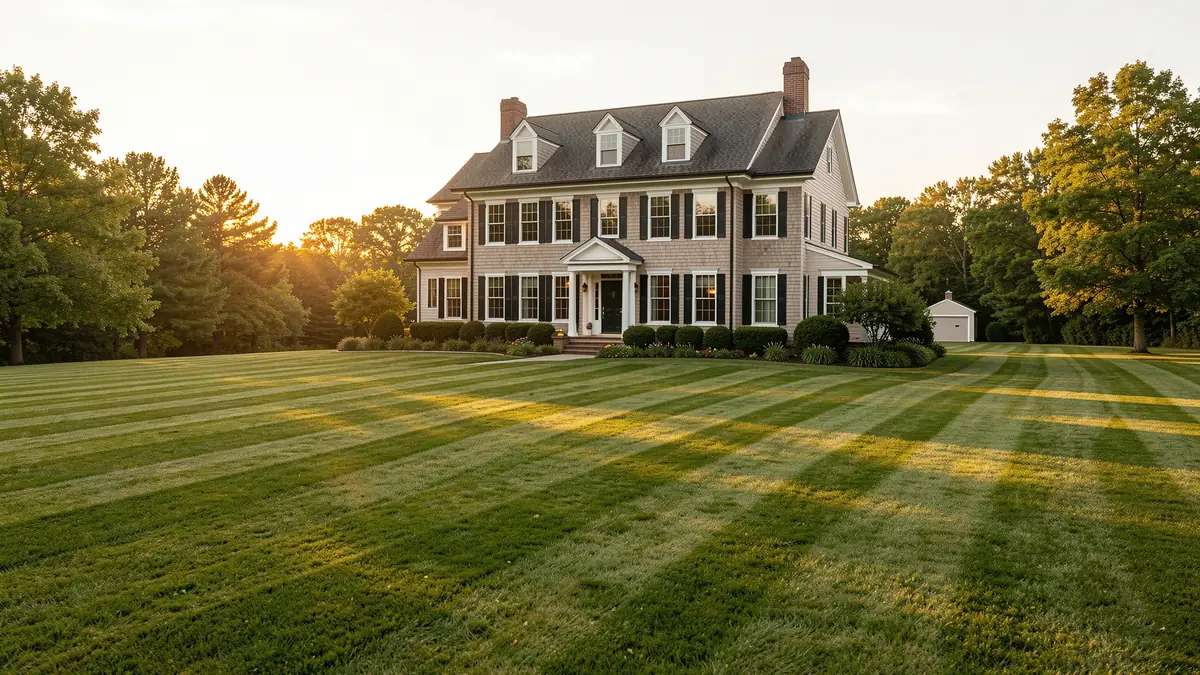
The national benchmark is $35–$60 per weekly mow on a typical lot, roughly $0.003–$0.006 per square foot. Austin typically runs 15–25 percent above it, which lands most quotes at roughly $0.004–$0.007 per square foot per cut. Flat suburban lots in the core of the band are the exception here, not the rule — much of the metro sits on slopes, shelves of limestone, or both, and difficulty modifiers price on sight. Every figure below is a hedged range, not a surveyed price.
| Service | Typical Austin range (2026) | Notes |
|---|---|---|
| Weekly mowing, 5,000–10,000 sq ft lot | $40–$75 | Rock and slopes add difficulty modifiers on sight |
| Small-lawn minimum charge | $35–$60 | The truck, the drive and I-35 congestion happen anyway |
| Core aeration, typical lot | $85–$250 | Shallow soil over limestone limits tine depth |
| Seasonal cleanup, debris hauled | $220–$450 | Cedar debris and spring live-oak drop drive volume |
| Pressure washing, driveway | $135–$320 | 600–1,000 sq ft concrete, hard-water staining |
| Pressure washing, house wash | $280–$700 | 1,500–2,500 sq ft soft wash; limestone and stucco need care |
Submarkets spread inside those bands. Central neighborhoods — Hyde Park, Travis Heights, Mueller — carry small-to-moderate lots that price near the minimum on dense routes. The northwest and southwest hills — West Lake Hills, Lakeway, Dripping Springs — add slopes, cedar, rock and long driveways, and they hold the top of every band. Northern suburbs — Cedar Park, Leander, Round Rock, Pflugerville, Kyle — run bigger, flatter, newer lots at mid-band, the closest thing Austin has to a volume market.
What moves prices in Austin
Season length. Austin's growing season typically runs March through November — roughly 32–38 weeks, with the shoulder weeks depending on rainfall. Spring grows explosively in wet years; July and August heat, usually paired with watering restrictions, push warm-season grass toward dormancy and stretch cut intervals; September and October deliver a fall push if rain returns. From roughly December through February most lawns rest, and crews live on cleanups, leaf work and cedar-clearing jobs. In drought years, the whole calendar compresses: less water, less growth, fewer visits — the market literally shrinks with the lakes.
Grass types. Warm-season turf with a drought-conscious streak. Bermuda dominates sunny lawns, zoysia has become the premium of choice for its water tolerance, and St. Augustine holds shadier yards — the Central Texas core of the species Texas A&M's AggieTurf program profiles. The Austin twist is scale: native-landscape and xeriscape conversions have replaced significant turf across the metro, so many "lawn care" quotes now blend mowing with gravel-bed weeding, native-trim work and mulch. Zoysia's slow growth also stretches intervals — a quiet way an Austin lawn can cost less per month than its square footage suggests.
Local cost drivers. A decade of rapid growth keeps labor tight and wages climbing — crews can charge San Antonio prices and lose their help in a week. Thin soil over limestone slows edging, trimming and aeration alike, and slope work is constant in the hills. Water is the recurring story: drought-cycle restrictions under Austin Water's conservation stages have trained owners to expect watering-day limits, and oak wilt — the region's signature tree disease — keeps arborist-minded crews careful about pruning windows and equipment cleaning. Verify current restriction stages with Austin Water before pricing irrigation or new turf.
Questions worth asking any Austin provider:
- How do you price rock, slopes and cedar lines? Difficulty work should be quoted on sight, not discovered mid-job.
- What's your oak-pruning policy? Austin-area crews should avoid pruning oaks in spring to protect against oak wilt spread.
- How do watering restrictions change the schedule? A good crew proposes an interval plan that matches the current stage.
- Can you handle xeriscape beds, not just turf? Gravel weeding and native trims are standard Austin scope — price them together.
- What does the winter pause look like? December–February should reduce or pause mowing on dormant warm-season grass.
Compare these bands against 50 metros on the lawn care prices by city hub, price any lot with the mowing price calculator, and check a crew's rates against their real costs with the hourly rate calculator before committing to a season in a market this tight.
FAQ
How much does lawn mowing cost in Austin?
Typically $40–$75 per visit on a typical lot — the metro usually runs 15–25 percent over national benchmarks. Small central-city yards bill near a $35–$60 minimum, and hillside or rocky West Lake Hills lots quote well past $100.
When is lawn mowing season in Austin?
Roughly March through November — about 32–38 weeks. Spring and fall grow hard, August heat and watering limits slow everything, and winter dormancy pauses most mowing from roughly December through February.
What grass grows in Austin lawns?
Bermuda and zoysia dominate, with St. Augustine in shadier yards — the core of Texas A&M's AggieTurf profiles for Central Texas. Drought-tolerant zoysia and native-landscape conversions have grown fast in popularity.
How much does aeration cost in Austin?
Roughly $85–$250 for a typical lot, single pass. Thin soil over limestone rock limits how deep tines can go, which is one reason the service prices higher here than in clay markets down the highway.
How much does yard cleanup cost in Austin?
Plan on $220–$450 for a typical seasonal cleanup, with cedar (Ashe juniper) debris and live-oak leaf drop in spring driving volume. Verify hauling and dump fees before work starts.
Why is lawn care more expensive in Austin than in other Texas metros?
A boomtown cost of living tightens labor supply, thin rocky soil and Hill Country slopes slow every job, and repeated drought-cycle water restrictions shrink and stress lawns. Together they lift Austin roughly 15–25 percent above the state's bigger, flatter markets.