Lawn Care Prices in Dallas (2026)
Dallas lawn care prices land around the national middle: a typical 5,000–10,000 sq ft lot most often quotes $35–$60 per mow, small city lots bill near a $30–$50 minimum, and the metro's signature big suburban spreads in Plano, Frisco and Rockwall run $70 and up. Blackland clay, a long warm season and huge new-subdivision lots define the market — here is what the ranges look like.
By the MowMath editorial team · Updated $1
Key numbers at a glance
| Service | Typical Dallas range (2026) | Notes |
|---|---|---|
| Weekly mowing, 5,000–10,000 sq ft lot | $35–$60 | Weekly through the season; biweekly adds 15–25 percent |
| Small-lawn minimum charge | $30–$50 | The truck, the drive and the gate still happen |
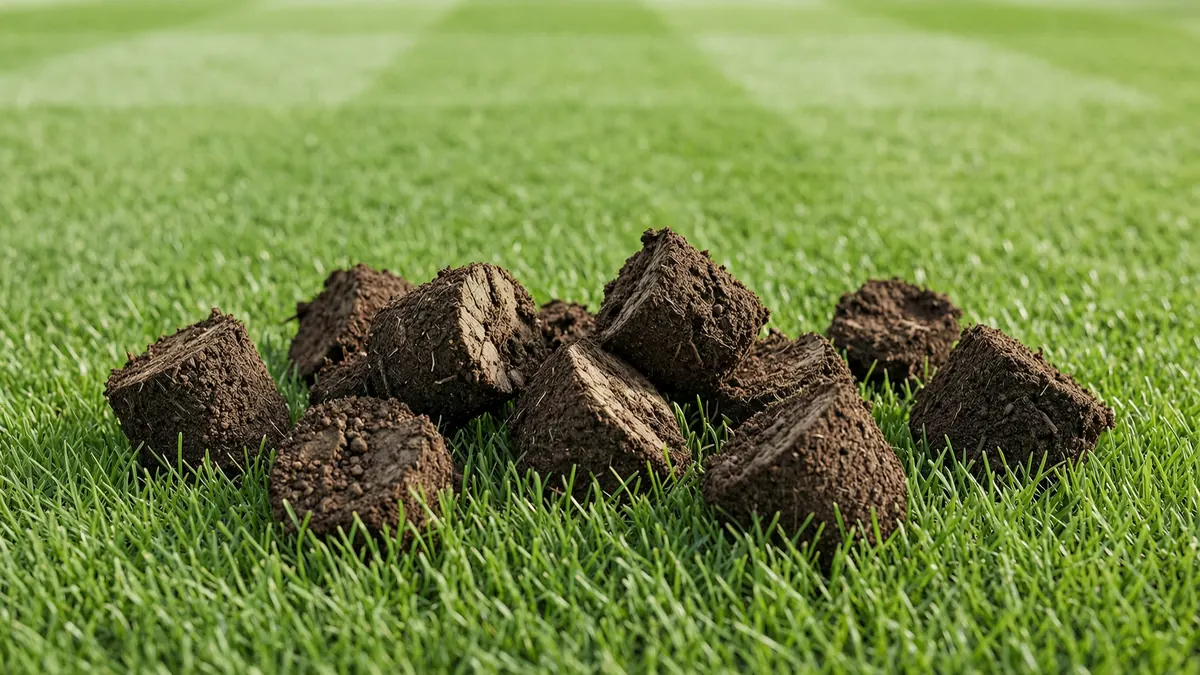
| Core aeration, typical lot | $75–$200 | Blackland clay compaction makes this a steady seller |
| Seasonal or storm cleanup | $200–$400 | Spring storm debris; live oaks shed March–April |
Lawn care prices in Dallas: the ranges
The national benchmark is $35–$60 per weekly mow on a typical lot, roughly $0.003–$0.006 per square foot, and Dallas typically tracks it. Big-metro operating costs push the market slightly up; fierce crew competition, flat terrain and efficient routing push it right back. New-development lots with irrigation and HOA expectations anchor the middle of every band; acreage in the outer counties prices on its own math. Every figure below is a hedged range, not a surveyed price.
| Service | Typical Dallas range (2026) | Notes |
|---|---|---|
| Weekly mowing, 5,000–10,000 sq ft lot | $35–$60 | Weekly through the season; biweekly adds 15–25 percent |
| Small-lawn minimum charge | $30–$50 | The truck, the drive and the gate still happen |
| Core aeration, typical lot | $75–$200 | Blackland clay compaction makes this a steady seller |
| Seasonal or storm cleanup | $200–$400 | Spring storm debris; live oaks shed March–April |
| Pressure washing, driveway | $120–$260 | 600–1,000 sq ft concrete, clay-stain territory |
| Pressure washing, house wash | $250–$600 | 1,500–2,500 sq ft soft wash; brick and Hardie both common |
Submarkets spread inside those bands. Older Dallas neighborhoods — East Dallas, Oak Cliff — carry moderate lots at mid-band. The Park Cities run large, flat, immaculate lawns that price toward the top with fertilization plans attached. The northern suburbs — Plano, Frisco, McKinney, Prosper — are the volume market: big new lots, builder-grade Bermuda, HOA letters keeping frequency honest. East toward Rockwall and out into the exurbs, lot sizes climb past a quarter acre and quotes move to per-acre math.
What moves prices in Dallas
Season length. Dallas's growing season typically runs late March or April through October or early November — roughly 32–36 weeks. Spring growth is explosive, especially in rainy Mays; August heat and watering restrictions slow everything down; September and October deliver a second push before frost. Warm-season grass then goes dormant and most crews pause or drop to occasional visits from roughly December through February. The long season spreads annual revenue over more cuts than a northern metro, which is a big reason per-visit rates hold near the national middle despite big-city costs.
Grass types. Warm-season turf, in the standard Texas trio Texas A&M's AggieTurf program profiles: Bermuda in full sun — the default on builder lots and the cheapest to maintain; St. Augustine where shade rules, common in older, leafier neighborhoods; and zoysia as the premium that tolerates both sun and shade but grows slowly enough to stretch cut intervals. Each mows differently: Bermuda wants low, frequent cutting; St. Augustine wants height and chokes if scalped; zoysia forgives a skipped week. Chinch bugs, brown patch and take-all root rot are the classic North Texas lawn problems, and treatment plans are a major add-on.
Local cost drivers. The Blackland Prairie's heavy clay is the metro's signature variable: it compacts into concrete in drought and into grease after rain, which feeds a steady aeration business and punishes crews who mow wet lawns — ruts become repair work. Spring hail and wind events generate storm-cleanup surges priced by volume. Summer water restrictions during drought years slow growth and cut visit counts; verify current rules with Dallas Water Utilities. And the sheer size of new-subdivision lots means North Texas crews quote more half-acre-plus properties than almost any other metro, which pushes their equipment toward zero-turns and their pricing toward per-acre math.
Questions worth asking any Dallas provider:
- Will you skip mowing when the clay is soaked? A crew that rutted a wet lawn once should have a rain policy — ask for it.
- What height do you cut St. Augustine in August? Scalped St. Augustine in a Texas August is a dead lawn by September.
- Is aeration yearly or as-needed? Blackland clay usually earns the annual pass; get it priced into a plan.
- What happens to the schedule after a hailstorm? Debris pricing and priority rules should exist before storm season.
- Are treatments applied by licensed technicians? Texas requires pesticide licensing — ask for the license number.
Compare these bands against 50 metros on the lawn care prices by city hub, price any lot with the mowing price calculator, and check a crew's rates against their real costs with the hourly rate calculator before committing to an eight-month plan.
FAQ
How much does lawn mowing cost in Dallas?
Typically $35–$60 per visit on a typical lot, near the national middle, with small city lots billing around a $30–$50 minimum and larger Plano, Frisco or Rockwall lots quoting $70 and up. Weekly service is the norm through the growing season.
When is lawn mowing season in Dallas?
Roughly late March or April through October or early November — about 32–36 weeks. Growth is strongest in spring, slows in August heat, and finishes with a fall push; winter dormancy pauses most mowing from roughly December through February.
What grass grows in Dallas lawns?
Bermuda dominates full-sun lawns, St. Augustine handles shade, and zoysia is the premium spread — the core trio in Texas A&M's AggieTurf profiles of the state's home-lawn turfgrasses for North Texas.
How much does aeration cost in Dallas?
Roughly $75–$200 for a typical lot, single pass. Blackland Prairie clay compacts badly, so aeration is a steady seller here — time it late spring when warm-season grass is growing hard.
How much does yard cleanup cost in Dallas?
Plan on $200–$400 for a typical seasonal cleanup. Post-storm work after spring hail or wind events is priced by volume, and live oaks shed in spring — verify hauling and dump fees before work starts.
Do water restrictions affect lawn care in Dallas?
They can. Summer droughts trigger watering-day rules that stretch to two-week cycles, and Bermuda and St. Augustine both survive them — but growth slows and mowing frequency drops. Verify current rules with Dallas Water Utilities before pricing a season plan.