Lawn Care Prices in Detroit (2026)
Metro Detroit prices lawn care a notch below the national average — a market where a good living is built on route density and big suburban lots rather than high per-visit rates. The season is short, the hardwood leaf drop is enormous, and the winter crossover to snow work is not a side hustle but the second half of the business model.
By the MowMath editorial team · Updated $1
Key numbers at a glance
| Service | Typical Detroit range | What drives it |
|---|---|---|
| Mowing, typical lawn (weekly) | $30–$50 / visit | Below national band; biweekly adds 15–25% |
| Mowing, 1/2 acre and larger | $60–$130 / visit | Common in Sterling Heights, Canton, Livonia |
| Aeration | $70–$180 | Usually priced per sq ft, roughly $0.005–$0.012 |
| Fall leaf cleanup | $125–$400 | Oaks and maples drop hard; multi-visit contracts standard |
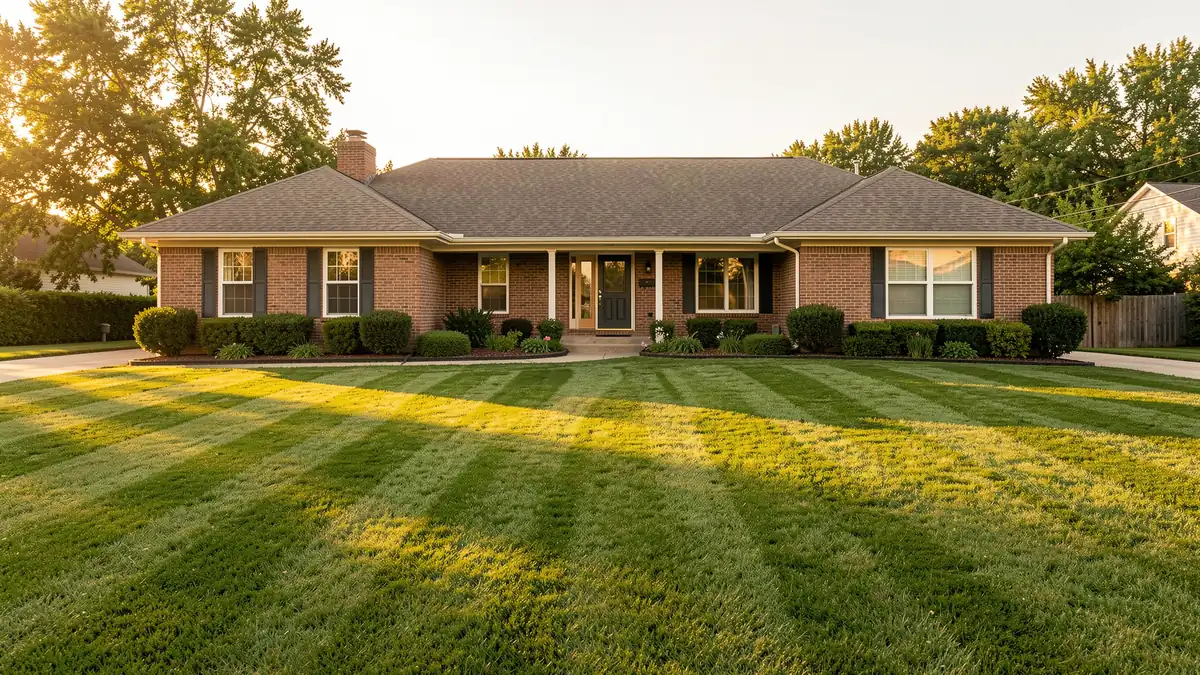
Lawn care prices in Detroit: the ranges
These bands start from national benchmarks — $35–$60 per mow for a typical 5,000–10,000 sq ft lawn — and shift them downward for metro Detroit, which prices below the U.S. average on every service. Treat each figure as a typical quoted range: lot size, tree cover, access and frequency move real quotes around inside each band.
| Service | Typical Detroit range | What drives it |
|---|---|---|
| Mowing, typical lawn (weekly) | $30–$50 / visit | Below national band; biweekly adds 15–25% |
| Mowing, 1/2 acre and larger | $60–$130 / visit | Common in Sterling Heights, Canton, Livonia |
| Aeration | $70–$180 | Usually priced per sq ft, roughly $0.005–$0.012 |
| Fall leaf cleanup | $125–$400 | Oaks and maples drop hard; multi-visit contracts standard |
| Pressure washing, driveway | $130–$275 | Concrete at roughly $0.15–$0.30 per sq ft |
| Pressure washing, house soft wash | $200–$475 | Siding at roughly $0.30–$0.60 per sq ft |
The minimum charge that gets a truck out typically runs $30–$45, a few dollars under the national $30–$50 floor. Inside the city proper, compact Detroit and Ferndale lots quote at the minimum; the money is in the suburbs, where Warren bungalows, Sterling Heights ranches and Canton colonials put half-acre-plus lots on per-square-foot math. That size ladder is why a below-average price band still produces full-time incomes here — crews run bigger properties with wider decks and tighter routes.

What moves prices in Detroit
A short, intense season. Mowing typically runs late April through October, roughly 24–26 billable weeks, and Michigan springs do not negotiate — a cold, wet April can push the first real cut into May, after which May and June growth on bluegrass comes fast. Every quote is really an annual calculation: per-visit price times about 25 weeks, plus leaf work, plus anything the operator can sell in the eleven weeks that used to be called the off-season. Seasonal flat contracts, billed monthly across the growing season, are the common packaging; check the arithmetic on weeks actually mowed, not a generic 30.
Bluegrass country. Metro Detroit lawns are overwhelmingly cool-season mixes — Kentucky bluegrass with fine fescue and perennial ryegrass — per Michigan State University Extension's lawn and garden resources. Uniform turf means uniform quoting: standard mowing heights, fast cuts, and clippings usually mulched in place rather than bagged, which keeps the bagging upcharge ($5–$15 where requested) an exception. Bluegrass also self-repairs, so simple maintenance lawns stay simple — the aeration dollar goes further on clay-heavy suburban lots and heavily used family yards, typically $70–$180 per treatment.
The leaf economy and the snow crossover. The September-through-November hardwood drop is a second season of its own: oaks and maples that held leaves through a warm October let go all at once, and the standard product is a multi-visit fall contract — a mid-October pass and a final November pass after the last leaves are down. The leaf cleanup pricing guide covers how those contracts are built. Then the trucks switch over: most established operators plow snow all winter, and that income is what lets mowing prices stay competitive in a below-average band. Wage expectations track the region; the Bureau of Labor Statistics grounds maintenance occupational page is the right cross-check for labor costs.
Mowing price ladder in Detroit
| Lot size | Typical per visit |
|---|---|
| Under 5,000 sq ft | $28–$40 |
| 5,000–10,000 sq ft | $30–$50 |
| 10,000–20,000 sq ft | $50–$80 |
| 1/2 acre (≈21,800 sq ft) | $70–$105 |
| 1 acre and up | $100–$150 |
Fenced rear yards with narrow gates, chain-link perimeters and dog traffic justify the top of a row — the same +10–25% difficulty modifiers as anywhere else. Open suburban frontage with a wide gate quotes at the bottom, and on the big Macomb and Oakland lots the question is never whether to use the zero-turn, only which deck width.
Questions Detroit customers actually ask
Should I sign a seasonal contract or pay per cut? Contracts dominate here because the season is short and the good routes fill by April. The trade-offs — prepay discounts of 5–10%, what happens when drought stalls growth in August, how skipped cuts are handled — are laid out in the 2026 pricing guide.
What about vacant-lot or side-lot mowing in the city? It is quoted separately, usually at a per-cut acreage rate or through city and land-bank programs, and the pricing has nothing to do with the residential ladder — overgrowth means a first-cut restoration fee at 1.5–2x a normal visit, sometimes more on truly neglected parcels.
Do I need spring cleanup too? In Michigan, yes: the spring pass handles the leaves that came down after the last fall visit, plus sticks, snow mold patches and sand along the curb from plowing. It is usually bundled into the season's opening invoice rather than sold separately.
Quoting against these ranges
Homeowners: book by early April — in a market where everyone also plows, the good crews commit their summer routes before the last snow melts. Pros: set the per-visit floor with the mowing price calculator, quote the season over the weeks metro Detroit actually mows, and treat fall leaves and snow removal pricing as part of the annual plan, not afterthoughts. For metro-to-metro comparison, see the lawn care prices by city hub.
FAQ
How much does lawn mowing cost per cut in Detroit?
Typically $30–$50 per visit for a standard 5,000–10,000 sq ft lawn, with a $30–$45 minimum — a notch below the national $35–$60 band. Metro Detroit's cost of living keeps quotes down, while big suburban lots in Macomb and Oakland counties keep the size ladder busy.
When does the mowing season run in Detroit?
Typically late April through October, roughly 24–26 mowing weeks depending on the year. A cold, wet April can push the first cut into May, and growth ends hard after the first frosts. The leaf season, September through November, overlaps the last mowings.
What grass types are common in Detroit lawns?
Cool-season mixes dominate: Kentucky bluegrass with fine fescue and perennial ryegrass, per Michigan State University Extension turf guidance. Bluegrass spreads to fill bare spots on its own, which keeps maintenance simpler than in transition-zone metros, and clippings are usually mulched rather than bagged.
How much is fall leaf cleanup in Detroit?
Typically $125–$400 depending on yard size and tree cover, below national bands. Metro Detroit's oaks and maples drop heavily and all at once, so multi-visit fall contracts — a mid-October pass and a final November pass — are the standard product.
Do Detroit lawn pros also do snow removal?
Most full-time operators do — snow income is what carries a Michigan service business through winter. Bundles are usually priced per service with separate snow terms (per-push or seasonal), and the best routes are locked in by late summer, not after the first snowfall.
Why are lawn care prices lower in Detroit than the national average?
Cost of living and wage levels run below coastal and Sunbelt metros, so the whole price structure — labor, fuel overhead, customer expectations — sits lower. What Detroit loses on per-visit price it partly claws back on volume: dense suburban routes and large lots keep crews productive.