Lawn Care Prices in Houston (2026)
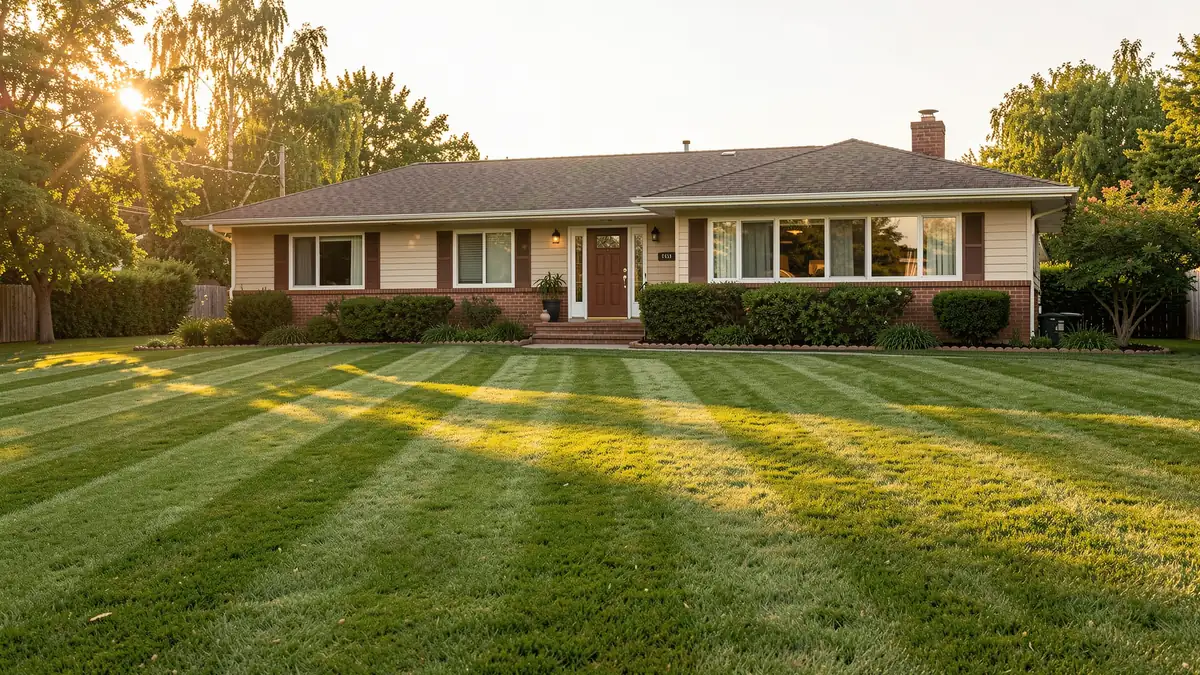
Houston lawn care prices land right around the national middle: a typical 5,000–10,000 sq ft lot most often quotes $35–$60 per mow, with small inside-the-Loop yards billing near a $30–$50 minimum and bigger suburban spreads running $70 and up. What makes the market distinctive is the calendar — warm-season grass grows aggressively for nine-plus months, and humidity makes it grow fast enough that weekly service stays the norm. Here is what the ranges look like.
By the MowMath editorial team · Updated $1
Key numbers at a glance
| Service | Typical Houston range (2026) | Notes |
|---|---|---|
| Weekly mowing, 5,000–10,000 sq ft lot | $35–$60 | Weekly through the growing season; biweekly adds 15–25 percent |
| Small-lawn minimum charge | $30–$50 | The truck, the drive and the gate still happen |
| Core aeration, typical lot | $75–$200 | Gumbo clay compacts; late spring timing on St. Augustine |
| Seasonal or storm cleanup | $200–$400 | Live oaks drop in spring; hurricane debris priced by volume |
Lawn care prices in Houston: the ranges
The national benchmark is $35–$60 per weekly mow on a typical lot, roughly $0.003–$0.006 per square foot, and Houston typically tracks it — neither the coastal premium of California nor the discounts of the low-cost South. Fast growth, flat terrain and short drive times between stops keep the market competitive; heavy clay soil, storm work and a long season add work back. Every figure below is a hedged range, not a surveyed price.
| Service | Typical Houston range (2026) | Notes |
|---|---|---|
| Weekly mowing, 5,000–10,000 sq ft lot | $35–$60 | Weekly through the growing season; biweekly adds 15–25 percent |
| Small-lawn minimum charge | $30–$50 | The truck, the drive and the gate still happen |
| Core aeration, typical lot | $75–$200 | Gumbo clay compacts; late spring timing on St. Augustine |
| Seasonal or storm cleanup | $200–$400 | Live oaks drop in spring; hurricane debris priced by volume |
| Pressure washing, driveway | $120–$260 | 600–1,000 sq ft concrete, mildew grows fast in humidity |
| Pressure washing, house wash | $250–$600 | 1,500–2,500 sq ft soft wash; Gulf mildew feeds this market |
Submarkets spread inside those bands. Inside-the-Loop lots — Heights bungalows, Montrose yards — are small and price near the minimum on dense routes. Suburban subdivisions in Katy, Cypress, Sugar Land, Pearland and The Woodlands carry larger lots at the middle-to-top of the band, and acreage properties west and north of the city quote on their own math. Flooding history matters too: yards that hold water grow unevenly and often need drainage-minded care, which shows up in fertilization and treatment plans more than in mowing prices.
What moves prices in Houston
Season length. Houston's main growing season typically runs March through November — roughly 36–40 weeks — with warm winters stretching mowing into December in some years and a brief slowdown in August heat. That is close to a year-round market, which changes the pricing psychology: crews earn steadily for nine months instead of cramming into six, so per-visit rates stay near the national middle even though annual customer spend runs higher than a northern metro's. From roughly December to February, most lawns go dormant-ish and frequency drops or pauses.
Grass types. Warm-season turf rules. St. Augustine is the region's default for its shade tolerance, Bermuda dominates full-sun and high-traffic lawns, and zoysia is the premium spread that tolerates both — the trio Texas A&M's AggieTurf program profiles among the state's main home-lawn grasses. Each prices slightly differently: St. Augustine wants a taller cut and chokes if scalped in summer, Bermuda wants frequent low cutting, and zoysia's slow growth stretches the interval between cuts. Chinch bugs and brown patch are the classic Houston lawn problems, and treatment programs are a major add-on line.
Local cost drivers. Humidity makes grass grow fast — weekly service holds most of the season, which is good for route density and explains the competitive per-visit rates. Heavy black gumbo clay compacts and cracks, feeding a steady aeration and top-dressing business. Hurricane season is the wildcard: storm-debris cleanups are priced by volume, and a single named storm can consume a crew's calendar for weeks. Fertilization and weed programs sell well because the growing season never really stops pest pressure; licensed applicators handle those, and irrigation checks became standard after repeated drought years.
Questions worth asking any Houston provider:
- What happens to the schedule after a storm? Get debris pricing and priority rules before hurricane season, not during it.
- Do you mow St. Augustine at the right height? Scalping in summer heat kills it — ask for the crew's cutting height.
- Is treatment work done in-house by licensed applicators? Texas requires certification for fertilizer-and-pesticide programs.
- How do you handle drainage and standing water? A crew that ignores it will rut your yard with every rain.
- What does the winter pause look like? December–February should be reduced frequency or a pause — not full price for dormant grass.
Compare these bands against 50 metros on the lawn care prices by city hub, price any lot with the mowing price calculator, and sanity-check a crew's rates against their real costs with the hourly rate calculator before committing to a nine-month plan.
FAQ
How much does lawn mowing cost in Houston?
Typically $35–$60 per visit on a typical lot, near the national middle, with small inside-the-Loop yards billing around a $30–$50 minimum and larger suburban lots in Katy, Cypress or The Woodlands quoting $70 and up. Fast warm-season growth keeps weekly service the norm most of the year.
Is lawn care year-round in Houston?
Nearly. The main growing season runs roughly March through November — 36–40 weeks — with August heat slowing growth briefly and warm winters stretching mowing into December. Most crews pause or cut frequency from roughly December to February.
What grass grows in Houston lawns?
St. Augustine dominates for shade tolerance, Bermuda rules full sun, and zoysia is the fast-growing premium choice — the trio Texas A&M's AggieTurf profiles as the state's main home-lawn grasses for the Gulf Coast.
How much does aeration cost in Houston?
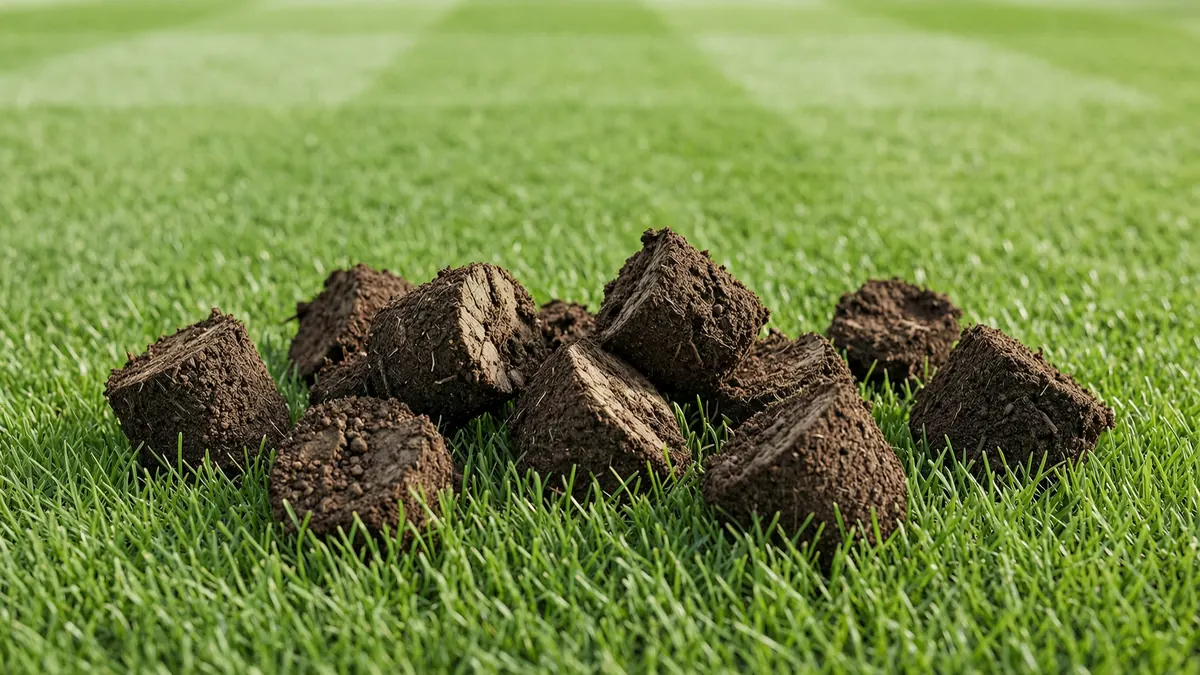
Roughly $75–$200 for a typical lot, single pass. Heavy gumbo clay compacts badly, so aeration and a light top-dress sell steadily; time it in late spring when St. Augustine is actively growing.
How much does yard cleanup cost in Houston?
Plan on $200–$400 for a typical seasonal cleanup, more after a storm. Live oaks drop leaves in spring rather than fall, and hurricane-season debris removal is priced by volume — verify hauling and dump fees before work starts.
Why does Houston mowing cost about the national average despite the long season?
Two forces cancel out: a near-year-round season and low drive times push prices down, while humidity-driven fast growth, heavy clay soil and storm work push them up. The result is a market that tracks the national $35–$60 band on typical lots.