Lawn Care Prices in Los Angeles (2026)
Los Angeles lawn care prices typically run 15–25 percent above national benchmarks: a 5,000–10,000 sq ft lot most often quotes $40–$75 per mow, small city yards bill near a $35–$60 minimum, and canyon and hillside properties carry access premiums on top. Between the near-year-round season, drought-era water rules and some of the country's tightest lots, here is what the ranges look like.
By the MowMath editorial team · Updated $1
Key numbers at a glance
| Service | Typical Los Angeles range (2026) | Notes |
|---|---|---|
| Weekly mowing, 5,000–10,000 sq ft lot | $40–$75 | Biweekly is common where lots are small |
| Small-lawn minimum charge | $35–$60 | The truck, the drive and LA traffic happen anyway |
| Core aeration, typical lot | $85–$250 | Compacted basin clay responds well; late spring timing |
| Yard cleanup, green waste hauled | $220–$450 | Disposal billed separately on many quotes |
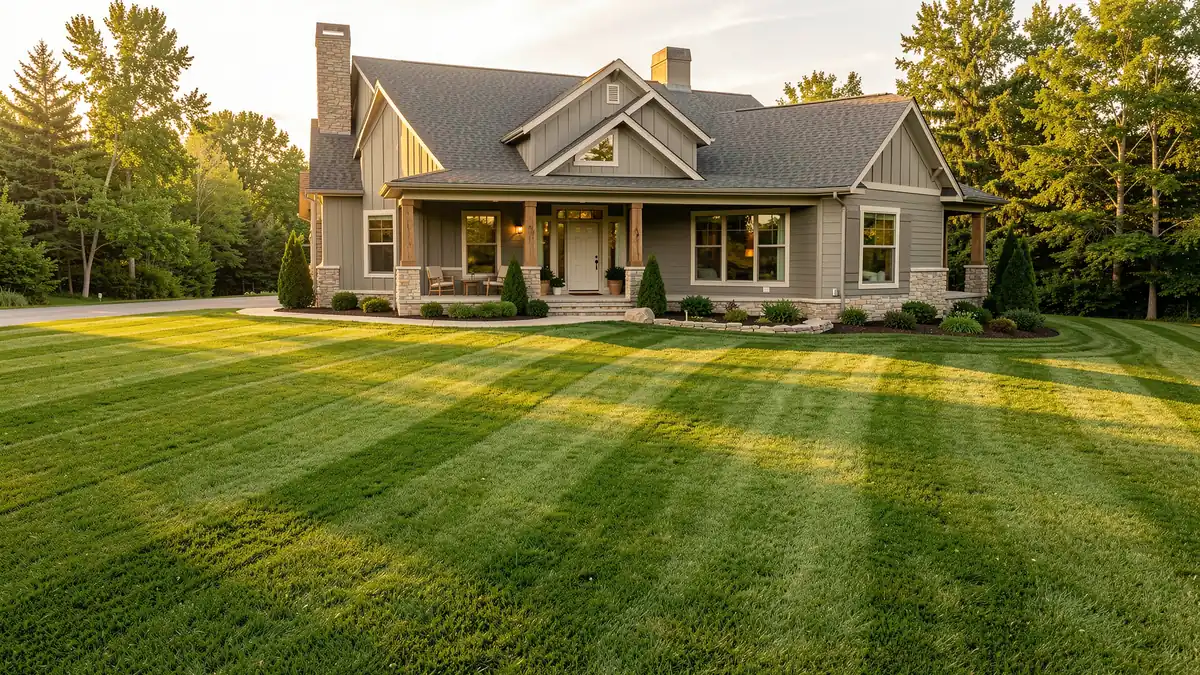
Lawn care prices in Los Angeles: the ranges
The national benchmark is $35–$60 per weekly mow on a typical lot, roughly $0.003–$0.006 per square foot. LA typically runs 15–25 percent above it, which lands most quotes at roughly $0.004–$0.007 per square foot per cut. Flat, open, street-level lots sit near the bottom of every band; anything on a slope, behind a narrow side yard, or reached by shared hillside stairs quotes toward or past the top. Every figure below is a hedged range, not a surveyed price.
| Service | Typical Los Angeles range (2026) | Notes |
|---|---|---|
| Weekly mowing, 5,000–10,000 sq ft lot | $40–$75 | Biweekly is common where lots are small |
| Small-lawn minimum charge | $35–$60 | The truck, the drive and LA traffic happen anyway |
| Core aeration, typical lot | $85–$250 | Compacted basin clay responds well; late spring timing |
| Yard cleanup, green waste hauled | $220–$450 | Disposal billed separately on many quotes |
| Pressure washing, driveway | $135–$320 | 600–1,000 sq ft concrete, irrigation-stain territory |
| Pressure washing, house wash | $280–$700 | 1,500–2,500 sq ft soft wash, stucco needs low pressure |
Submarkets spread inside those bands. Older core-city lots — mid-city bungalows, Eastside yards — are small and price near the minimum on tight routes. The San Fernando Valley and inland suburbs run bigger lots and Bermuda in full sun, so per-visit prices climb with square footage. Hillside neighborhoods from Pacific Palisades to the Hollywood foothills add slope and access premiums of 10–25 percent, the same difficulty modifiers any market charges, priced on sight rather than square footage.
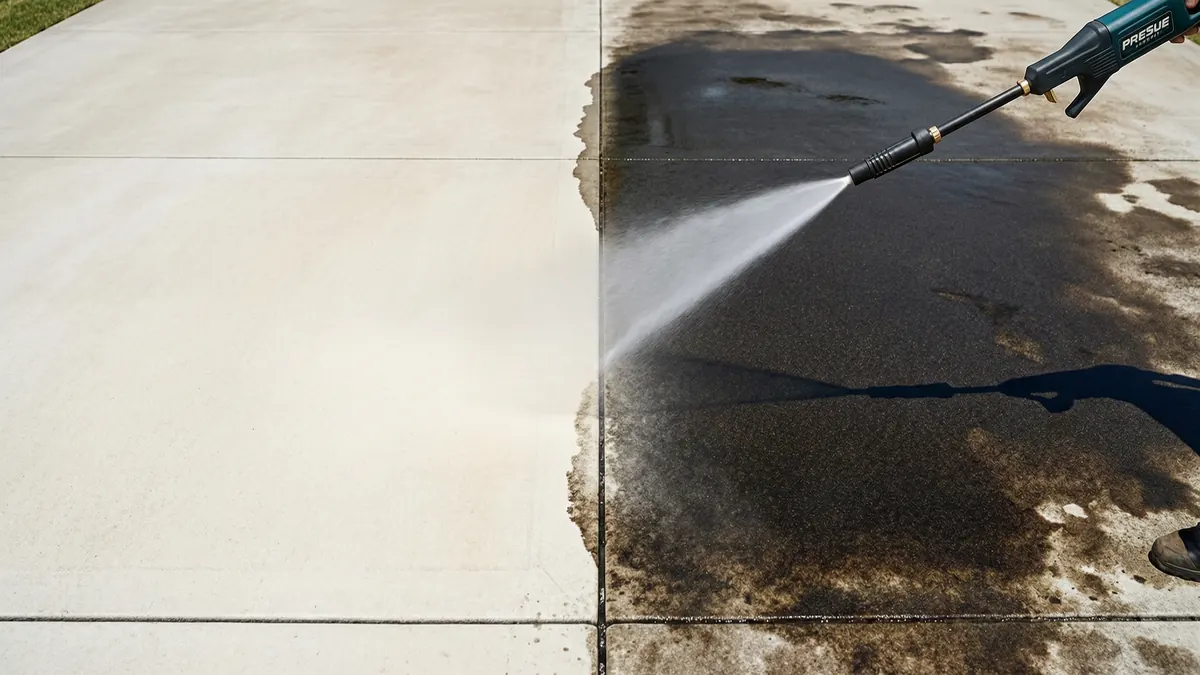
What moves prices in Los Angeles
Season length. LA mowing is effectively year-round. Warm-season grass grows hardest from April through October, keeps creeping through the mild winter, and coastal fescue lawns under the marine layer never fully stop — most crews mow 10 to 12 months a year, easing to biweekly from roughly December through February. That year-round calendar is why LA crews can hold slightly lower per-visit premiums than a six-month northern market with the same labor costs: annual revenue spreads across more cuts, so the seasonal stack — cleanups, aeration, mulch — matters less for cash flow and more for ticket size.
Grass types. The market splits between warm-season and cool-season turf. Bermuda dominates full-sun Valley and inland lawns; zoysia handles the transitions; St. Augustine carries shade nearer the coast; and tall fescue lawns hold up in shaded and marine-layer yards where Bermuda thins. The University of California's Guide to Healthy Lawns covers the species mix and their very different water needs. The practical pricing consequence: fescue grows through winter and needs a taller cut in summer heat, while dormant-ish Bermuda in a dry December can skip a cut — frequency, and therefore monthly cost, tracks grass type more than calendar.
Local cost drivers. Labor, fuel and insurance all price like coastal California, and traffic between stops eats the same hours a Midwest crew spends mowing. Water is the region's signature variable: drought-era restrictions and watering-day rules shaped by LADWP and neighboring utilities push some owners toward mulch, gravel and native conversions — verify current rules with your water utility before pricing a season contract. Where turf shrinks, minimum charges matter more than per-square-foot rates. Green-waste rules shape cleanups too: city green bins handle modest volumes, but trailer-loads of cuttings bill as hauling.
Questions worth asking any Los Angeles provider:
- How do you price slopes and canyon access? Anything the mower can't walk should be quoted on sight, not by square footage.
- Is green-waste hauling included or separate? Disposal is a real cost line — get it in writing.
- Can you keep fescue healthy on watering restrictions? Ask for a schedule that matches current utility rules.
- Do you handle stucco with low pressure only? High pressure on California stucco forces repaints; soft wash or walk.
- What does the winter schedule look like? A crew that mows 10–12 months should say so — and price monthly plans accordingly.
Compare these bands against 50 metros on the lawn care prices by city hub, price any lot with the mowing price calculator, and check a crew's numbers against their real costs with the hourly rate calculator before you sign a year-round plan.
FAQ
How much does lawn mowing cost in Los Angeles?
Typically $40–$75 per visit on a typical lot, with small city lots billing near a $35–$60 minimum and hillside or canyon properties quoting well past $100. Expect roughly $0.004–$0.007 per square foot per cut — the metro usually runs 15–25 percent over national benchmarks.
Is lawn care year-round in Los Angeles?
Effectively yes. Warm-season grass grows hardest April through October, cools but keeps slowly growing through the winter, and coastal fescue lawns never really stop. Most crews mow 10–12 months a year, easing frequency from roughly December to February.
What grass grows in Los Angeles lawns?
Bermuda and zoysia dominate in full sun, St. Augustine handles coastal shade, and tall fescue carries shaded and marine-layer yards. The University of California's turf guide covers the region's species and their water needs.
How much does aeration cost in Los Angeles?
Roughly $85–$250 for a typical lot, single pass. Clay-heavy basin soil compacts badly, so aeration sells steadily; time it in late spring when warm-season grass is actively growing so holes fill in fast.
How much does yard cleanup cost in Los Angeles?
Plan on $220–$450 for a typical cleanup, with green-waste hauling usually billed separately. City green-bin rules and disposal costs shape the price as much as debris volume does.
Do water restrictions affect lawn care prices in LA?
Yes, indirectly. Drought rules push some owners toward mulch or native conversions — smaller turf means fewer mowing dollars but more per-visit minimums — and keeping a lawn healthy through watering limits adds irrigation-tuning work. Verify current rules with LADWP before signing a season contract.