Lawn Care Prices in Milwaukee (2026)
Milwaukee prices lawn care near the national average — typically $35–$60 per mow on a standard lot — but the season underneath those prices is short: roughly 26 weeks has to earn what 32 earns in warmer metros, and most crews bridge the gap with snow removal. Cool-season grass, Lake Michigan weather and dense old-neighborhood routes set the terms. Here is what the ranges look like in 2026.
By the MowMath editorial team · Updated $1
Key numbers at a glance
| Service | Typical Milwaukee range | What drives it |
|---|---|---|
| Weekly mowing, typical lawn | $35–$60 / visit | Season compression holds prices at average |
| Small-lawn minimum charge | $30–$50 | City bungalow lots hit it constantly |
| Mowing, 1/2 acre and larger | $75–$140 / visit | Common in Waukesha, Mequon, Ozaukee County |
| Core aeration | $75–$190 | Late August–October window; pair with seed |
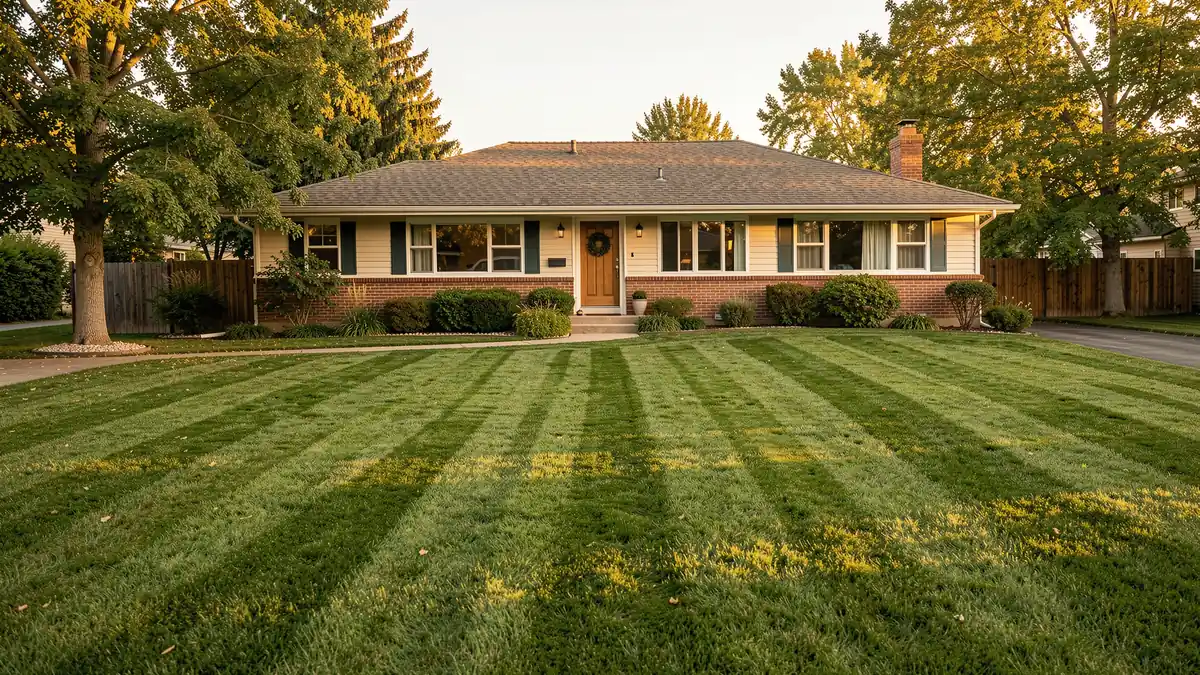
Lawn care prices in Milwaukee: the ranges
These bands start from national benchmarks — $35–$60 per mow for a typical 5,000–10,000 sq ft lawn — and hold them roughly flat for Milwaukee, which prices near the U.S. average. Every figure is a hedged range, not a surveyed price: lot size, tree cover, fences and frequency move real quotes around inside each band.
| Service | Typical Milwaukee range | What drives it |
|---|---|---|
| Weekly mowing, typical lawn | $35–$60 / visit | Season compression holds prices at average |
| Small-lawn minimum charge | $30–$50 | City bungalow lots hit it constantly |
| Mowing, 1/2 acre and larger | $75–$140 / visit | Common in Waukesha, Mequon, Ozaukee County |
| Core aeration | $75–$190 | Late August–October window; pair with seed |
| Fall leaf cleanup | $150–$450 | Fast October drop; multi-visit contracts the norm |
| Pressure washing, driveway | $140–$290 | Concrete at roughly $0.15–$0.30 per sq ft |
| Pressure washing, house wash | $230–$520 | Siding soft wash at roughly $0.30–$0.60 per sq ft |
The minimum charge that gets a truck out typically runs $30–$50, and Milwaukee hits it constantly: the city's bungalow and lannon-stone neighborhoods on the south side, plus Washington Heights and Bay View, are full of 4,000–6,000 sq ft lots that are on and off the trailer in twenty minutes. The per-square-foot math starts to matter in the Waukesha County suburbs — Brookfield, Elm Grove, Menomonee Falls — and on the larger lake-adjacent lots of Mequon and Whitefish Bay, where mature canopies add both trimming and leaf work.
What moves prices in Milwaukee
A short season does the pricing. Mowing typically runs from mid-to-late April green-up through late October — roughly 25–28 billable weeks depending on the year, with Lake Michigan keeping spring cool and a cold April sometimes pushing the first real cut into May. That compression is why per-visit rates sit at the national average instead of below them: demand crowds into fewer weeks, June growth on bluegrass is explosive, and every dollar a route earns has to be earned before the ground freezes. If you are quoted a flat seasonal price, check the arithmetic over about 26 weeks, not a generic 30.
One climate, one grass playbook. Milwaukee is cool-season turf across the board — Kentucky bluegrass dominant, with fine fescue, perennial ryegrass and tall fescue in the standard mixes, exactly the grasses UW-Madison Extension's Wisconsin lawn care calendar and lawn maintenance guides are written around. Uniform turf means standardized heights and speeds on every stop. The Extension's long-standing mulching guidance — leaving clippings down in most conditions — keeps bagging and its $5–$15 upcharge an optional extra here, and dry midsummer stretches (check any current watering advisories with the Milwaukee Water Works or DNR) can pause growth entirely; fair contracts say what happens to monthly billing when the lawn stops growing.
Snow crossover is the business model. Most established Milwaukee lawn operations also plow — the two services together are what make full-time work possible at these per-visit prices, and customers feel it as scheduling: the best crews are booked by late April, so the window for competitive quotes is March and early April, not Memorial Day. For crews pricing both sides of the year, the snow removal pricing guide and the Bureau of Labor Statistics grounds maintenance occupational data set the floor; for homeowners, the practical question is whether your mowing quote comes from a business that plans to exist in February.
Mowing price ladder in Milwaukee
| Lot size | Typical per visit |
|---|---|
| Under 5,000 sq ft | $30–$45 |
| 5,000–10,000 sq ft | $35–$60 |
| 10,000–20,000 sq ft | $55–$90 |
| 1/2 acre (≈21,800 sq ft) | $75–$125 |
| 1 acre and up | $105–$170 |
Hilly west-side lots, fenced corners and irrigation heads that must be dodged justify the top of a row; wide-open suburban frontage with no obstacles quotes at the bottom. Slopes and narrow gates are difficulty modifiers, not excuses — the same +10–25% math every other metro uses, priced before the season starts rather than argued about in June.
Questions Milwaukee customers actually ask
Should I prepay the season? Prepay discounts of 5–10% are normal, trading a little margin for April cash flow. The short version of the math and the risks: prepay a known operator with liability insurance, never a spring flyer. A 26-week season makes prepay dollars a bigger share of the operator's year here than in longer-season markets — choose accordingly.
What happens in a dry July or August? Cool-season grass goes dormant and growth stops. Per-visit billing pauses naturally; flat monthly contracts should state in writing how skipped cuts are credited or rolled into fall cleanup. Ask before signing, not during the drought.
Is spring or fall cleanup the bigger job here? Fall, decisively — Milwaukee hardwoods drop a heavy canopy in a few October weeks, and that window is where the scheduling pain and the money live. Spring cleanup still matters for sand, plow ruts and salt-burned curb lines after a hard winter. The leaf cleanup pricing guide shows how multi-visit fall contracts are built.
Quoting against these ranges
Homeowners: collect three written quotes in March or early April and confirm insurance; in a short-season market, the cheap quote is usually the one that disappears when real work arrives. Pros: set the per-visit number with the mowing price calculator, price the season over the weeks you will actually mow, floor your labor with the hourly rate calculator, and compare metros on the lawn care prices by city hub.
FAQ
How much does lawn mowing cost per cut in Milwaukee?
Typically $35–$60 per visit for a standard 5,000–10,000 sq ft lawn, with a $30–$50 minimum — close to the national band. Milwaukee's short season concentrates demand into fewer weeks, which supports average per-visit pricing even though the calendar earns less per year.
When does the mowing season start and end in Milwaukee?
Typically mid-to-late April through late October — roughly 25–28 billable weeks, weather depending. A cold April can push the first real cut into May, and growth quits fast after the first hard frosts. Check seasonal contracts over about 26 weeks, not a generic 30.
What grass grows in Milwaukee lawns?
Cool-season turf only: Kentucky bluegrass dominant, with fine fescue, perennial ryegrass and tall fescue in the standard Wisconsin mixes — the grasses UW-Madison Extension's Wisconsin lawn care calendar is written around.
Do Milwaukee lawn pros also do snow removal?
Most established crews do — the snow season pays the same truck and equipment notes that mowing pays in summer. Expect separate pricing per service, sometimes with a small bundle discount, and get snow terms (per-push, per-inch tiers or seasonal flat) in writing before November.
How much is fall leaf cleanup in Milwaukee?
Typically $150–$450 depending on yard size and tree cover. Milwaukee's hardwoods drop fast in October, and multi-visit fall contracts are the norm; heavy-canopy lots in older neighborhoods run the top of the band or above.
When should I aerate a lawn in Milwaukee?
Cool-season grasses respond best to aeration in late summer to fall, roughly late August through early October, when bluegrass and fescue are actively growing and overseeding can follow. Spring aeration after thaw also works, but fall pairs better with seed.