Lawn Care Prices in New Orleans (2026)
New Orleans is one of the longest lawn care seasons in the country. Warm-season grasses wake in March, grow through heat and hurricane season, and often keep going into December — meaning annual contracts here cover nine or ten working months, not the six or seven common up north. St. Augustine lawns dominate, Gulf rain reshuffles schedules weekly, and humidity keeps mildew on siding and pressure washing in demand. Here is what lawn care typically costs in New Orleans in 2026.
By the MowMath editorial team · Updated $1
Key numbers at a glance
| Service | Typical New Orleans range | What moves the number |
|---|---|---|
| Mowing, 5,000–10,000 sq ft | $35–$55 per visit | Frequency, edging, fence lines |
| Small lot under 5,000 sq ft | $30–$45 per visit | Most quotes sit at the minimum charge |
| Half acre | $85–$115 per visit | Open versus trees, access, slopes |
| Core aeration | $75–$190 per lawn | Warm-season timing; double pass adds 25–50 percent |
Nationally, most pros charge $35–$60 per visit for a typical 5,000–10,000 sq ft lawn. New Orleans quotes generally sit around the middle of that band — an average-priced market where near-constant grass growth offsets the metro's moderate cost of living. The ranges below are our estimates for the metro, tuned from those national benchmarks; treat them as hedged ranges and verify against live quotes. For other markets, see the lawn care prices by city hub and the 2026 lawn care pricing guide.
Lawn care prices in New Orleans: the ranges
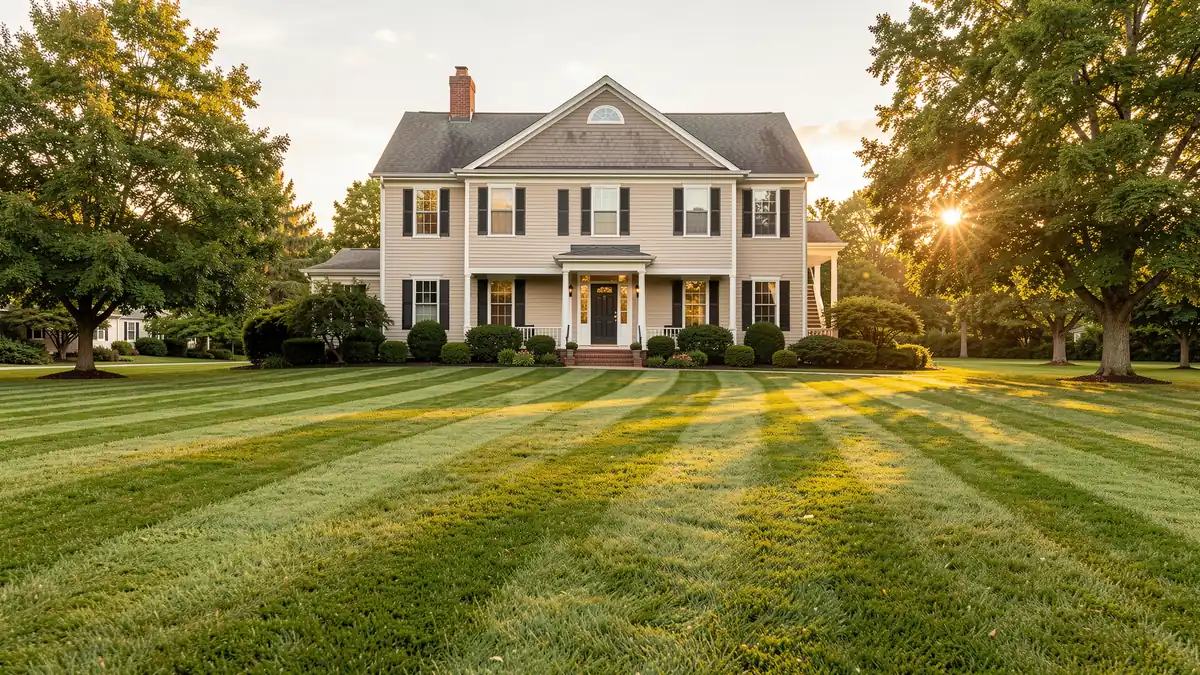
Typical 2026 ranges for weekly recurring service and common one-off jobs across New Orleans, Metairie, Kenner, Gentilly, Lakeview and the West Bank. Lot profile swings widely — raised homes on small city lots quote near the minimum, while subdivision yards in New Orleans East and River Ridge run far larger.
| Service | Typical New Orleans range | What moves the number |
|---|---|---|
| Mowing, 5,000–10,000 sq ft | $35–$55 per visit | Frequency, edging, fence lines |
| Small lot under 5,000 sq ft | $30–$45 per visit | Most quotes sit at the minimum charge |
| Half acre | $85–$115 per visit | Open versus trees, access, slopes |
| Core aeration | $75–$190 per lawn | Warm-season timing; double pass adds 25–50 percent |
| Fall or spring cleanup | $175–$325 | Debris volume, disposal, bed detail |
| Storm debris cleanup | Quoted per job | Limb size, hauling, access |
| Pressure washing, driveway | $120–$260 | Concrete versus pavers, square footage |
| Pressure washing, house wash | $250–$600 | Mildew on siding; soft-wash mix |
Read those as hedged ranges, not a rate card. A weekly St. Augustine lawn in Metairie can quote $40 while the same square footage biweekly in Kenner quotes $50, because two weeks of warm-season growth in this climate is a genuinely heavier cut. Two local realities shape the table: humidity and rain, which push house washes to the top of the pressure washing column and inject schedule flexibility into every mowing contract, and storm season, which turns debris removal into its own quoted job — never a mowing add-on. LSU AgCenter's lawn pages are the authoritative local reference for grass care; our mowing price calculator and pressure washing guide help you sanity-check the numbers.
What moves prices in New Orleans
Grass type. St. Augustinegrass is the metro's default, and LSU AgCenter guidance keeps it at 2.5–3 inches — a thick, fast blade that rewards weekly service in the growing season. Centipedegrass, common on lower-input yards, is mowed at 1–2 inches and famously needs about half the nitrogen of St. Augustine; overfeeding it causes decline. Zoysia and Bermuda round out sunnier lots. The grass in the yard should drive the schedule on the quote.
Season length. Growth typically runs March through November and into December in mild years. That is roughly 30–36 cuts a year weekly — several more than most American metros — and it is why local annual contracts cost more than they look: the season simply contains more service. Compare bids on annual totals, not per-visit stickers.
Rain. Afternoon thunderstorms and tropical systems cancel and reshuffle routes constantly from June through September. Experienced providers build slack into schedules and credit or carry skipped visits; rigid ones either tear up saturated lawns or quietly drop the service. Ask the rain question before signing.
Humidity and pests. Gulf humidity feeds mildew on siding (good for pressure washing demand) and chinch bugs love hot, dry St. Augustine edges in summer. Providers who scout and mow at proper height protect the lawn you are paying to keep.
Lot access and density. New Orleans mixes raised shotgun lots with zero side access, wide-open subdivision yards, and everything between. Fenced, tight-access city lots take longer than their square footage suggests, which is why minimum charges dominate small-lot quotes.
Season length and the New Orleans contract year
A New Orleans lawn year barely pauses. Spring (March–May) is green-up and surge growth, with pre-emergent timing set early and weekly mowing starting sooner than most of the country. Summer (June–August) is peak everything: heat, rain, growth, chinch bug watch, and hurricane season overlapping the heaviest workload — the months when schedule quality separates good providers from cheap ones. Fall (September–November) keeps warm-season lawns growing while the first cool fronts arrive; LSU AgCenter cautions against late nitrogen on St. Augustine headed into the cold months. Winter (December–February) is the short off-season: growth slows to a crawl, lawns go semi-dormant in cold snaps, and most providers drop to occasional cuts, bed cleanup, and equipment work. An honest local annual quote covers roughly nine to ten active months — anything assuming a six-month season was copied from somewhere else.
Grass types in New Orleans and why they change the quote
St. Augustine thrives here because it loves heat, humidity and the metro's moisture-rich soils, and because its thick mat crowds out weeds when kept healthy at the right height — it is the reason weekly service is the local norm rather than an upsell. Centipedegrass is the budget alternative, slower and lower-maintenance, wanting roughly half the fertilizer of St. Augustine per LSU AgCenter guidance — a real annual saving if the provider respects it. Zoysia sits at the premium end, dense and tidy with a modest price premium for slower growth and finer cuts. Bermuda claims the sunniest, most-traveled yards and grows aggressively all summer. The pricing consequence is calendar-driven: every one of these is a warm-season grass on a near-ten-month clock, so the differences show up in feeding and mowing frequency, not in dormancy. Check schedules against LSU AgCenter's lawn care guidance, and compare cleanup and house-wash bids with our leaf cleanup pricing and aeration pricing pages.
FAQ
How much does lawn care cost per month in New Orleans?
Most weekly mowing customers in New Orleans pay roughly $140–$220 per month in season for a typical 5,000–10,000 sq ft lawn, since per-visit quotes typically land around $35–$55 in this market. Biweekly service usually costs 15–25 percent more per visit because warm-season grass grows fast between cuts.
Is lawn care year-round in New Orleans?
Almost. Warm-season grasses here typically grow from March into November and often December in mild years, so the true off-season is only a couple of months. Some providers keep a reduced winter schedule of occasional cuts and cleanups rather than stopping entirely. Confirm the month list on any annual contract.
What grass is most common in New Orleans lawns?
St. Augustinegrass is the classic New Orleans lawn, with centipedegrass and zoysia also common and bermudagrass on sunniest lots. LSU AgCenter guidance mows St. Augustine at 2.5–3 inches and centipede at 1–2 inches — a quote should match the grass in the yard.
How tall should St. Augustine grass be cut in New Orleans?
LSU AgCenter recommends mowing St. Augustine at about 2.5–3 inches during the growing season and never removing more than a third of the leaf blade at once. Centipede lawns are kept lower, about 1–2 inches. Cutting St. Augustine too short invites weeds and chinch bug damage.
What happens to my service when it rains in New Orleans?
Gulf downpours cancel and shift schedules all season. Good providers reschedule within the week and skip a cut when the lawn is saturated rather than tearing it up. Ask how rain days are handled and whether skipped cuts are credited before signing a flat monthly plan.
Should I tip my lawn care provider in New Orleans?
Tipping is not expected, but it is appreciated. A common approach is roughly the cost of one mow at the end of the season or a gift card around the holidays for a crew that has been on your lawn all year.