Lawn Care Prices in Orlando (2026)
Orlando lawn care prices sit near the national average, but the calendar is unlike most of the country: St. Augustine lawns mow weekly through a long warm season and slow to biweekly in the dry winter, so pricing is best compared annually, not per visit. Expect roughly $35–$60 per mow on a typical lot.
By the MowMath editorial team · Updated $1
Key numbers at a glance
| Service | Typical Orlando range (2026) | Notes |
|---|---|---|
| Weekly mowing, 5,000–10,000 sq ft lot | $35–$60 | Weekly in the rainy season; biweekly in dry winter |
| Small-lawn minimum charge | $30–$50 | The truck, the drive and the gate still happen |
| Core aeration or verticutting | $75–$200 | Less common on sand; thatch work instead |
| Spring or storm cleanup | $200–$350 | Live-oak leaf drop and storm debris |
Lawn care prices in Orlando: the ranges
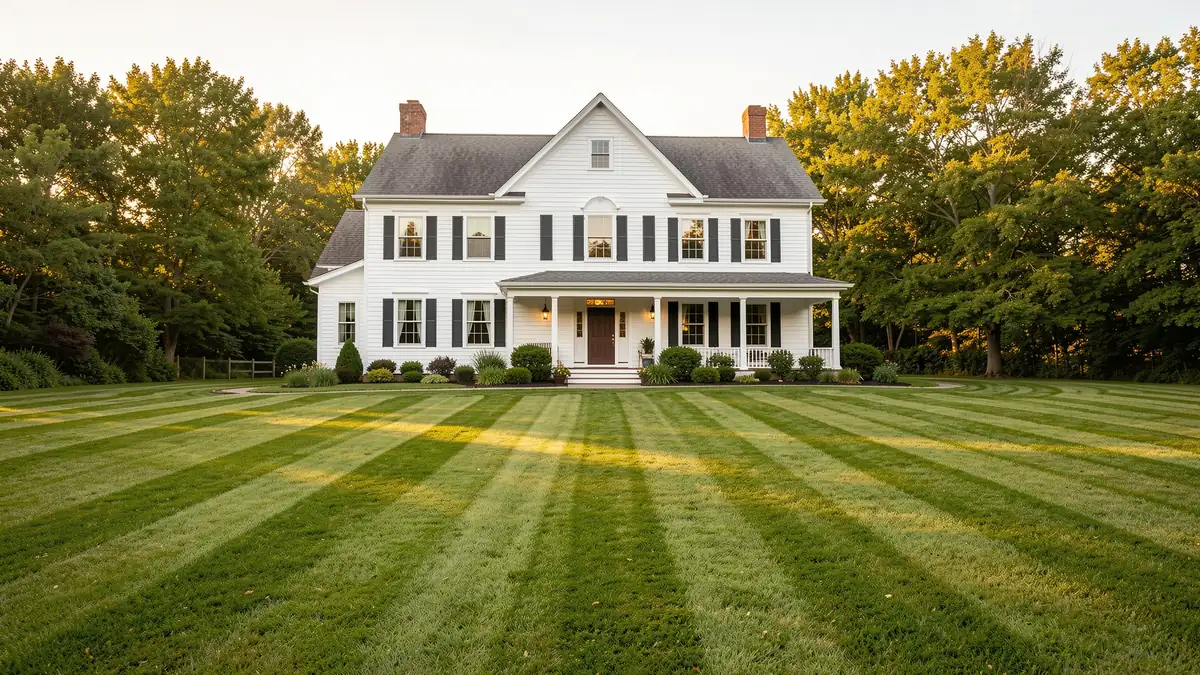
The national benchmark is $35–$60 for a weekly mow on a typical lot, and Orlando typically sits right on it — but with roughly 40 cutting weeks a year, the annual math runs ahead of shorter-season metros. Small colonial-town lots price at the floor; Winter Park and lakefront properties at the top. All ranges below are hedged planning figures.
| Service | Typical Orlando range (2026) | Notes |
|---|---|---|
| Weekly mowing, 5,000–10,000 sq ft lot | $35–$60 | Weekly in the rainy season; biweekly in dry winter |
| Small-lawn minimum charge | $30–$50 | The truck, the drive and the gate still happen |
| Core aeration or verticutting | $75–$200 | Less common on sand; thatch work instead |
| Spring or storm cleanup | $200–$350 | Live-oak leaf drop and storm debris |
| Pressure washing, driveway | $120–$260 | 600–1,000 sq ft concrete, mildew-stained |
| Pressure washing, house wash | $250–$600 | 1,500–2,500 sq ft soft wash |
Baldwin Park and Winter Park lots — manicured, edged, HOA-visible — quote at the top of the band because edging and appearance standards are part of the job. Older colonial-town lots run near the floor. Lakefront properties carry runoff rules and extra trimming. And because the growing season runs long, the per-visit price multiplies into an annual number that surprises buyers used to paying for 26 weeks elsewhere.
What moves prices in Orlando
Season length. Orlando lawns essentially grow year-round. The rainy season — roughly June through September — drives the heaviest growth, with weekly mowing standard from about April through October: call it 28–30 prime weeks. The dry stretch from November through March slows St. Augustine and Bahia to a biweekly or monthly trim, especially where irrigation is restricted. There is no leaf-off season to end the calendar; instead, spring brings live-oak leaf drop and the year's main cleanup window.
Grass types. Warm-season grasses own Orlando: UF IFAS Extension notes St. Augustine is mowed at 3.5–4 inches on standard cultivars such as Floratam, typically weekly during the growing season — and it dominates the region's lawns. Bahiagrass covers lower-maintenance lots; zoysia appears on premium yards. The maintenance extras are regional: edging the stolons that creep over walks and drives, watching for chinch bugs in summer, and managing thatch rather than the fall aeration rhythm northern lawns follow.
Local cost drivers. Irrigation rules shape everything: central Florida water-management restrictions typically limit watering to set days per week (verify the current schedule with the St. Johns River Water Management District), and watering determines winter growth. Summer thunderstorms double growth one week and wash out routes the next. Hurricane season can add debris work priced by volume — and live oaks drop leaves in spring, not fall, which flips the cleanup calendar newcomers expect. Labor supply and rapid metro growth keep prices competitive but wait times long in peak season.
Questions worth asking any Orlando provider:
- What watering schedule is this lawn on? Restriction days set the growth clock — and the mowing calendar — all year.
- Is edging walks and drives included? St. Augustine creeps; on a nice lawn, edging is half the job.
- How do you price storm-debris cleanup? By volume after named storms; agree on terms before the season, not after.
- Are pest treatments for chinch bugs licensed? Turf pest control in Florida requires licensing — ask for credentials.
- Do you offer a year-round annual price? With roughly 40 cutting weeks, annualized pricing beats per-season math.
Stack these numbers against the rest of the country on the lawn care prices by city hub, turn any lot into a defensible per-visit number with the mowing price calculator, and check that a crew's rates clear their real costs with the hourly rate calculator. The local band sets the market; the math keeps you honest inside it.
FAQ
How much does lawn mowing cost in Orlando?
Typically $35–$60 per visit on a typical lot, right at the national average. Winter Park and lakefront properties with edging standards run the top; small older lots run the floor — but with roughly 40 cutting weeks a year, compare prices annually.
Is lawn mowing year-round in Orlando?
Essentially yes. Weekly mowing is standard roughly April–October in the rainy season; the dry November–March stretch usually drops to biweekly or monthly, depending on irrigation. Most routes never fully stop.
What grass is most common in Orlando lawns?
St. Augustine — which UF IFAS Extension says is mowed at 3.5–4 inches on standard cultivars like Floratam, typically weekly in the growing season — with Bahiagrass on lower-maintenance lots and zoysia on premium yards.
How much does lawn aeration cost in Orlando?
Roughly $75–$200 for a typical lot, though sandy soils need it less than northern clay — thatch management and verticutting are the more common regional equivalents. Get the lawn's actual problem diagnosed before paying for a northern-style program.
How much does yard cleanup cost in Orlando?
Plan on $200–$350 for a typical spring cleanup under live oaks, which drop leaves March–May rather than in fall. Storm-debris removal is priced separately by volume and can far exceed routine cleanup after a hurricane-season event.
Why did my St. Augustine lawn turn brown in patches?
The usual suspect is chinch bugs, a classic summer St. Augustine pest UF IFAS highlights — though drought, thatch and disease can mimic it. Diagnosis before treatment matters, and turf-pest treatment in Florida requires a licensed applicator.