Lawn Care Prices in Philadelphia (2026)
Philadelphia lawn care prices typically run 15–25 percent above national benchmarks: a 5,000–10,000 sq ft suburban lot most often quotes $40–$75 per mow, rowhome pocket yards bill near a $35–$60 minimum, and Main Line and Chester County spreads price well past $100. The market splits between tiny city yards where minimums rule and big collar-county turf where square footage does — here is what the ranges look like.
By the MowMath editorial team · Updated $1
Key numbers at a glance
| Service | Typical Philadelphia range (2026) | Notes |
|---|---|---|
| Weekly mowing, 5,000–10,000 sq ft lot | $40–$75 | Rowhome yards bill at the minimum, not by square foot |
| Small-lawn minimum charge | $35–$60 | The truck, the drive and the narrow-gate access happen anyway |
| Core aeration, typical lot | $85–$250 | Fall core work on Piedmont clay; pairs with overseeding |
| Fall leaf cleanup | $220–$450 | Late October through November, mature-tree volume |
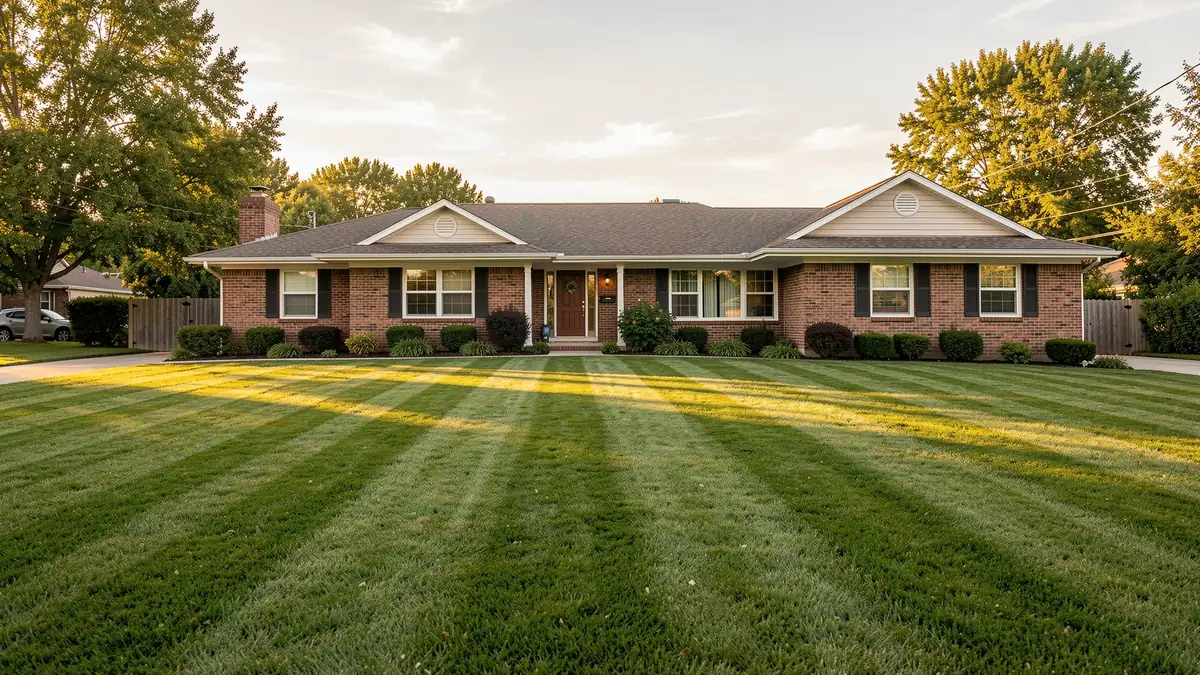
Lawn care prices in Philadelphia: the ranges
The national benchmark is $35–$60 per weekly mow on a typical lot, roughly $0.003–$0.006 per square foot. Philadelphia typically runs 15–25 percent above it, which lands most quotes at roughly $0.004–$0.007 per square foot per cut. City pocket yards sit at the minimum regardless of size; close-in suburbs run the middle; large Montgomery, Bucks, Chester and Delaware County lots quote mid-to-high, with estate work past the ceiling. Every figure below is a hedged range, not a surveyed price.
| Service | Typical Philadelphia range (2026) | Notes |
|---|---|---|
| Weekly mowing, 5,000–10,000 sq ft lot | $40–$75 | Rowhome yards bill at the minimum, not by square foot |
| Small-lawn minimum charge | $35–$60 | The truck, the drive and the narrow-gate access happen anyway |
| Core aeration, typical lot | $85–$250 | Fall core work on Piedmont clay; pairs with overseeding |
| Fall leaf cleanup | $220–$450 | Late October through November, mature-tree volume |
| Pressure washing, driveway | $135–$320 | 600–1,000 sq ft concrete, freeze-thaw staining |
| Pressure washing, house wash | $280–$700 | 1,500–2,500 sq ft soft wash, century-old siding needs care |
Submarkets spread inside those bands. South Philly and Fishtown rowhome yards are often a few hundred square feet behind a gate — priced at the minimum and only worth it to a crew with a tight route. West Mount Airy, Chestnut Hill and the close-in Main Line run mid-band on leafy, moderate lots. The Main Line proper (Lower Merion, Radnor, Villanova) and Chester, Bucks and upper Montgomery County horse-country properties run the top of every band, with long driveways, mature plantings and acreage pricing past it.
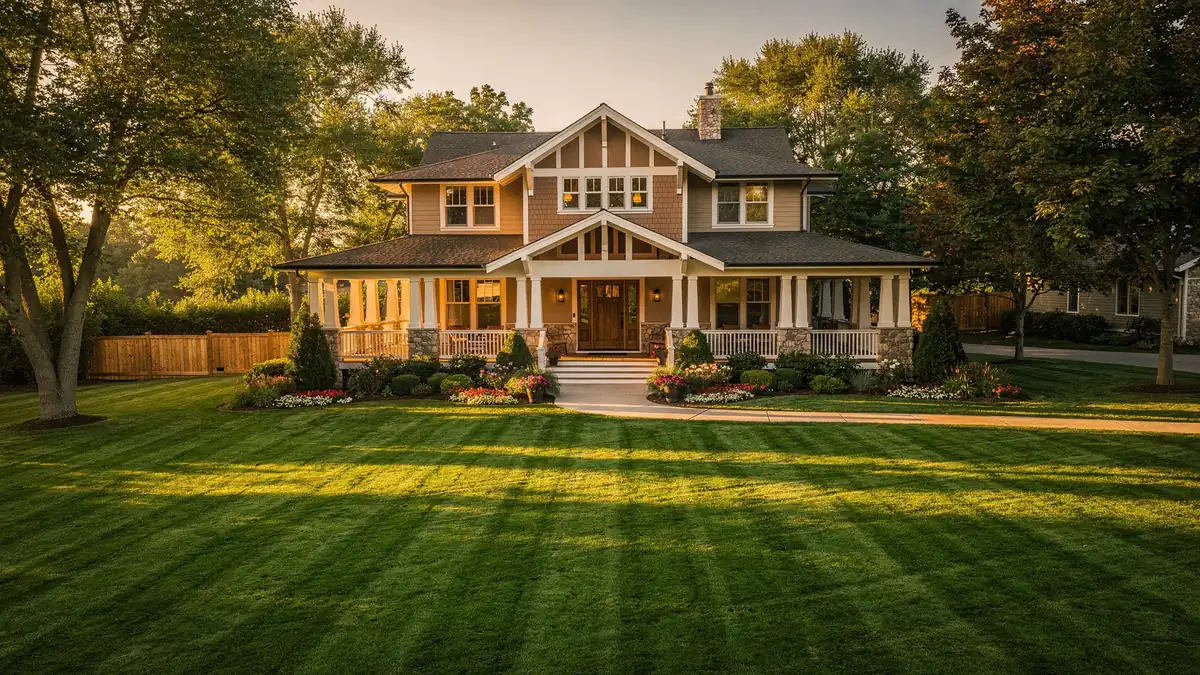
What moves prices in Philadelphia
Season length. The metro's mowing season typically runs late March or early April through early November — roughly 28–32 weeks, longer than Chicago's because fall lingers here. May and June surge with cool rain; July and August heat slows cool-season grass; September rains restart it; then late October delivers leaf season, the year's second harvest for local crews. Irrigation blowouts and the first hard frost close the calendar, and many crews bridge winter with equipment work or snow contracts.
Grass types. Cool-season country, with a tall-fescue streak. Penn State Extension's turf identification guide covers the regional roster: Kentucky bluegrass — the most common sod grass in Pennsylvania — perennial ryegrass, fine fescues for shade, and turf-type tall fescue, which has grown steadily in popularity because it rides out hot, dry Augusts better than bluegrass. Older Philadelphia suburbs carry decades-old bluegrass-fescue mixes under mature oaks; newer collar-county developments often started as pure tall fescue from seed. The practical difference shows up in summer: fescue holds color with less water, bluegrass goes brown and dormant without irrigation.
Local cost drivers. Northeast labor and insurance costs set the floor, and the metro's shape hurts route density — a crew working both the city core and the exurbs spends real unpaid time on the Schuylkill and the Blue Route between them. Mature-tree canopies in older towns mean heavy leaf volume and gutter work in fall. Two regional pests shape the add-on menu: spotted lanternfly, which has been heavy in the Philadelphia area in recent years and feeds on trees rather than turf, keeps tree-and-shrub treatment lines busy; and emerald ash borer did the same for removals. Verify any treatment quote with a licensed Pennsylvania applicator.
Questions worth asking any Philadelphia provider:
- How does your town handle leaves? Curbside vacuum weeks versus mandatory bagging changes cleanup pricing materially.
- Is the rowhome yard worth a standalone quote? Pair it with a neighbor's and the per-stop price usually drops.
- Do you treat for lanternfly, and is the applicator licensed? Pennsylvania requires certification — ask for it in writing.
- What's included in fall cleanup — beds, gutters, or turf only? Define the scope before the leaves drop.
- When do you blow out irrigation? Before first hard freeze; bundling with the last mow saves a trip fee.
Stack these numbers against the rest of the country on the lawn care prices by city hub, turn any lot into a defensible per-visit number with the mowing price calculator, and check that a crew's rates clear their real costs with the hourly rate calculator. The local band sets the market; the math keeps you honest inside it.
FAQ
How much does lawn mowing cost in Philadelphia?
Typically $40–$75 per visit on a typical suburban lot, with rowhome pocket yards billing near a $35–$60 minimum and Main Line and Chester County properties quoting well past $100. The metro usually runs 15–25 percent over national benchmarks.
When is lawn mowing season in Philadelphia?
Roughly late March or early April through early November — about 28–32 weeks, one of the longer cool-season windows. Growth surges in May and June, slows in July and August, restarts in September, and hands off to leaf cleanups in late October.
What grass grows in Philadelphia lawns?
Cool-season turf: Penn State Extension lists Kentucky bluegrass, tall fescue, fine fescues and perennial ryegrass as the region's lawn grasses — tall fescue increasingly favored for drought tolerance, bluegrass the classic sod choice.
How much does aeration cost in Philadelphia?
Roughly $85–$250 for a typical lot, single pass, best in fall alongside overseeding. Clay-heavy Piedmont soil and foot traffic make the double pass a common upsell at 25–50 percent more.
How much does fall leaf cleanup cost in Philadelphia?
Plan on $220–$450 for a typical lot, more under mature oaks and maples. Whether your town vacuums curbside piles or requires bagging changes the labor — and the price — as much as leaf volume does.
Why is lawn care more expensive in Philadelphia than in much of the country?
Northeast labor costs concentrated into a roughly seven-to-eight-month season, older neighborhoods with tight access, mature-tree leaf volume, and long drives between the city core and spread-out collar counties. The metro prices 15–25 percent over national bands.