Lawn Care Prices in Phoenix (2026)
Phoenix lawn care prices land near the national middle: a typical lot most often quotes $35–$60 per mow, with small desert-subdivision yards billing close to a $30–$50 minimum. The market is unlike anywhere else in the country — Bermuda grass cut low through brutal summers, ryegrass overseeded for winter green, and granite yards replacing turf block by block — and those dynamics hold the numbers steady while changing what the money buys. Here is what the ranges look like.
By the MowMath editorial team · Updated $1
Key numbers at a glance
| Service | Typical Phoenix range (2026) | Notes |
|---|---|---|
| Weekly mowing, 5,000–10,000 sq ft lot | $35–$60 | Many Phoenix lots are smaller and bill near the minimum |
| Small-lawn minimum charge | $30–$50 | The truck, the drive and 110-degree setup still happen |
| Core aeration, typical lot | $75–$200 | Less common than in clay markets; pair with overseeding |
| Yard cleanup, debris hauled | $200–$400 | Monsoon litter, palm fronds and desert dust |
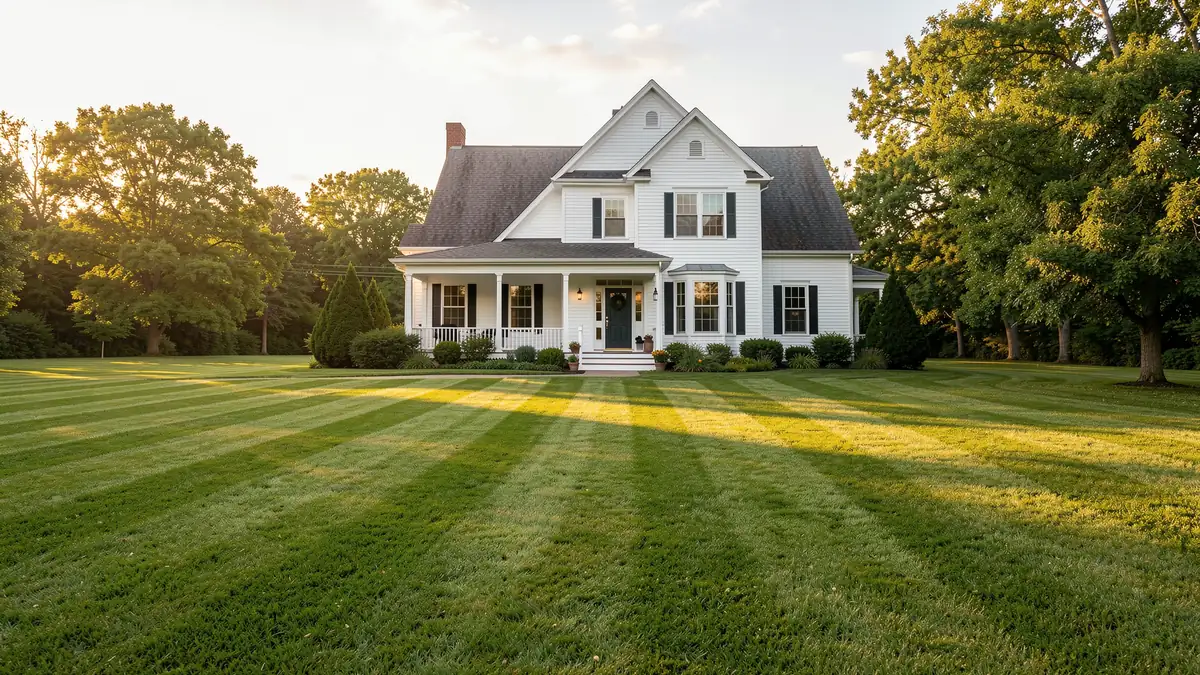
Lawn care prices in Phoenix: the ranges
The national benchmark is $35–$60 per weekly mow on a typical lot, roughly $0.003–$0.006 per square foot, and Phoenix typically tracks it. Small irrigated lots and a street grid built for fast routing keep productivity high; extreme heat, water costs and the annual overseeding ritual add work back. Every figure below is a hedged range, not a surveyed price.
| Service | Typical Phoenix range (2026) | Notes |
|---|---|---|
| Weekly mowing, 5,000–10,000 sq ft lot | $35–$60 | Many Phoenix lots are smaller and bill near the minimum |
| Small-lawn minimum charge | $30–$50 | The truck, the drive and 110-degree setup still happen |
| Core aeration, typical lot | $75–$200 | Less common than in clay markets; pair with overseeding |
| Yard cleanup, debris hauled | $200–$400 | Monsoon litter, palm fronds and desert dust |
| Bermuda scalp + winter ryegrass overseed | typically low hundreds | October transition; seed and extra water weeks included |
| Pressure washing, driveway | $120–$260 | 600–1,000 sq ft concrete, dust and irrigation staining |
| Pressure washing, house wash | $250–$600 | 1,500–2,500 sq ft soft wash, stucco needs low pressure |
Submarkets spread inside those bands. Older central Phoenix and Tempe lots are small and price near the minimum on dense routes. Suburban subdivisions in Gilbert, Chandler, Glendale and Peoria carry mid-size lots with HOA expectations that push frequency up. Larger turf belongs to Arcadia-style lots and the historic districts, where mature citrus and palms add trimming lines. And a growing share of the metro has no turf at all — xeriscaped granite and artificial turf lawns shift those homes from mowing plans to weed-control and blow-off visits priced near the minimum.
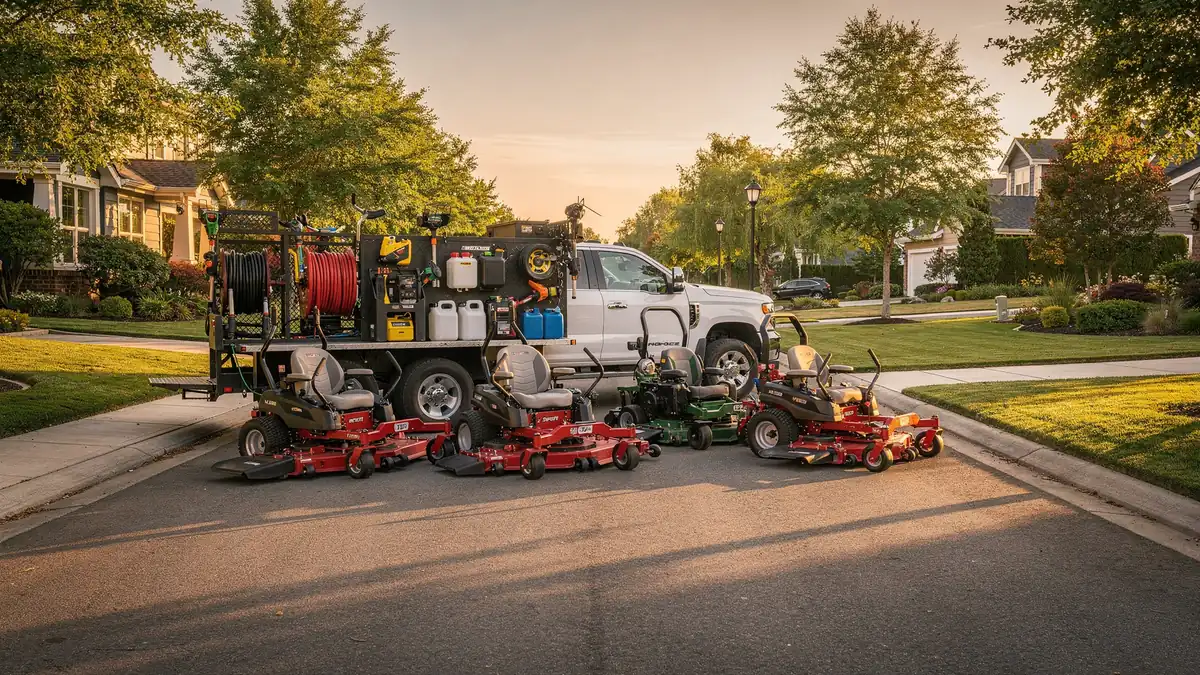
What moves prices in Phoenix
Season length. Bermuda's growing season typically runs March through October — roughly 32–36 weeks — with growth roaring through the triple-digit months as long as irrigation keeps up, then browning out by December. The Phoenix twist is the winter-overseeding calendar: each fall, per University of Arizona Cooperative Extension guidance, many lawns are scalped and seeded with perennial ryegrass for green winter color, which keeps mowing going through the cooler months — effectively a year-round calendar. Homes that skip the overseed let Bermuda go blond and dormant, pausing most visits from roughly December through February.
Grass types. Bermudagrass — common and hybrid — is the low-desert default, and the UA Extension turf maintenance guide for low-elevation Arizona centers its calendar on it. Hybrid Bermuda wants a low, frequent cut and a reel-mower finish on nicer lawns; common Bermuda tolerates higher cutting; and perennial ryegrass carries the winter on overseeded turf. Zoysia and St. Augustine appear occasionally in shadier pockets but are rare. Practically: a lawn's grass type decides whether your crew works twelve months (overseeded) or seven (dormant-winter), which moves annual spend more than any per-visit rate.
Local cost drivers. Summer heat is a labor cost, not a flourish — crews start at or before dawn, work shortened midsummer hours, and price the risk into rates. Water is the other driver: keeping Bermuda green through a Phoenix summer means an irrigation system that actually works, and utility-tiered water pricing makes turf genuinely expensive to own, which is why conversions to granite and artificial turf keep shrinking the mowing market's base. Monsoon season (roughly June through September) drops storm debris and dust that feeds cleanup work, and HOA compliance letters keep weekly frequency non-negotiable in much of the East Valley.
Questions worth asking any Phoenix provider:
- Is overseeding included in the annual price or billed separately? The October scalp-and-seed is a real job — get it itemized.
- What happens if I let Bermuda go dormant? A reputable crew offers a reduced winter plan instead of full price.
- Who checks the irrigation? In this desert, a broken sprinkler head costs you a lawn — ask if tuning is included.
- Do you work dawn hours in summer? Heat-safety scheduling protects your lawn and the crew.
- What's the plan for HOA letter weeks? Missed cuts generate violation letters — ask about make-up guarantees.
Compare these bands against 50 metros on the lawn care prices by city hub, price any lot with the mowing price calculator, and check a crew's rates against their real costs with the hourly rate calculator before signing a year-round desert plan.
FAQ
How much does lawn mowing cost in Phoenix?
Typically $35–$60 per visit on a typical lot, near the national middle. Phoenix lots run smaller than Texas-scale yards, so many homes bill near a $30–$50 minimum; grass is Bermuda cut low and fast through the hot months.
When is lawn mowing season in Phoenix?
Bermuda grows roughly March through October — 32–36 weeks — and goes dormant in winter. Lawns overseeded with ryegrass (a common October practice per University of Arizona Extension) keep mowing straight through winter, effectively year-round.
What grass grows in Phoenix lawns?
Bermudagrass — common and hybrid — is the default home lawn in the low desert, per University of Arizona Cooperative Extension's turf guide, with perennial ryegrass overseeded each fall for winter color on lawns that stay green.
How much does overseeding a lawn cost in Phoenix?
The scalping-plus-overseed transition is typically quoted like a cleanup-plus-mow job, commonly landing in the low hundreds on a typical lot — seed, labor and several weeks of extra watering. Get the dethatch or scalp step itemized so you know what you're paying for.
How much does yard cleanup cost in Phoenix?
Plan on $200–$400 for a typical cleanup — monsoon-wind debris, desert dust and palm litter rather than leaf piles. Hauling past bulk-trash pickup weeks usually bills separately; verify dump fees before work starts.
Why does Phoenix mowing cost near the national average despite the desert climate?
Heat-season work is physically hard and crews start at dawn, but small lots, grid streets and short drive times keep productivity high, and many owners have replaced turf with granite entirely. The market nets out near the national $35–$60 band.