Lawn Care Prices in Pittsburgh (2026)
Pittsburgh is a below-average lawn care market on paper and a terrain-surcharge market in practice. The city's hills, terraced yards, retaining walls and stair-only backyard access were built for steelworkers, not zero-turn mowers — so the base prices run under the national average while the difficulty modifiers, priced honestly, push plenty of real quotes right back up to it.
By the MowMath editorial team · Updated $1
Key numbers at a glance
| Service | Typical Pittsburgh range | What drives it |
|---|---|---|
| Mowing, typical lawn (weekly) | $30–$50 / visit | Below national band; biweekly adds 15–25% |
| Mowing, 1/2 acre and larger | $60–$130 / visit | Common in Cranberry, Murrysville, Peters Township |
| Aeration | $70–$180 | Clay soils; slopes priced as walk-behind work |
| Fall leaf cleanup | $125–$400 | Dense maple-oak canopy; steep yards get blower passes |
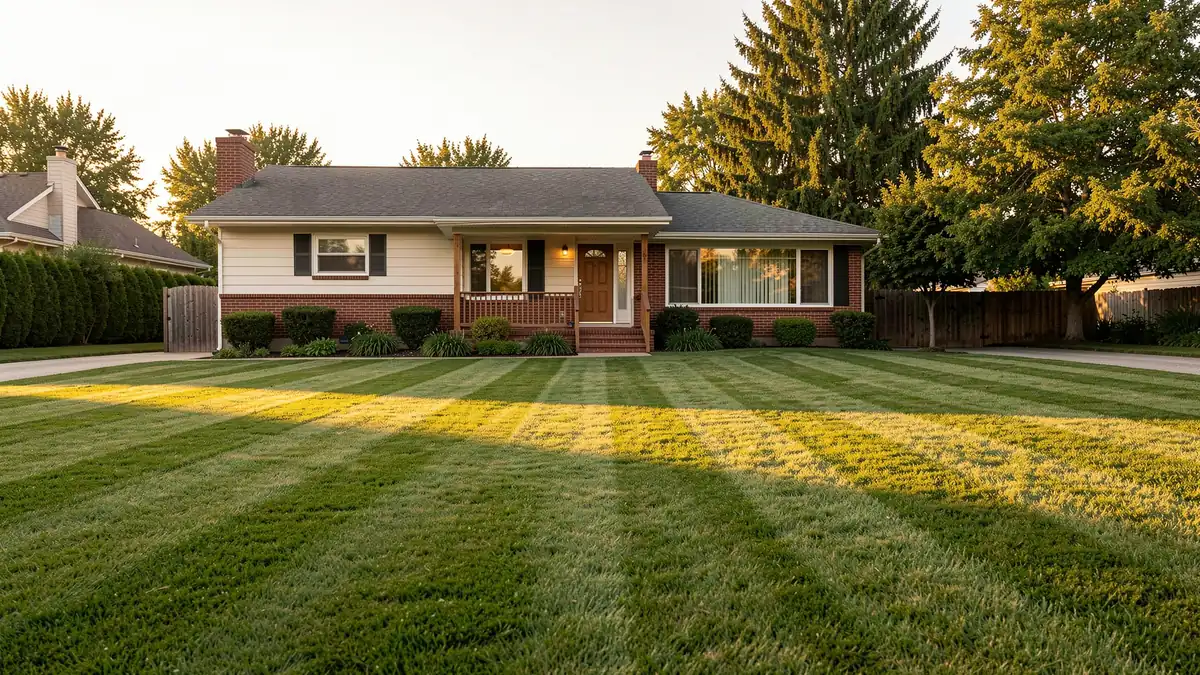
Lawn care prices in Pittsburgh: the ranges
These bands start from national benchmarks — $35–$60 per mow for a typical 5,000–10,000 sq ft lawn — and shift them downward for the Pittsburgh metro, which prices below the U.S. average before terrain enters the quote. Treat each figure as a typical quoted range on an average, accessible lot: slopes, gates and access move real quotes up from there.
| Service | Typical Pittsburgh range | What drives it |
|---|---|---|
| Mowing, typical lawn (weekly) | $30–$50 / visit | Below national band; biweekly adds 15–25% |
| Mowing, 1/2 acre and larger | $60–$130 / visit | Common in Cranberry, Murrysville, Peters Township |
| Aeration | $70–$180 | Clay soils; slopes priced as walk-behind work |
| Fall leaf cleanup | $125–$400 | Dense maple-oak canopy; steep yards get blower passes |
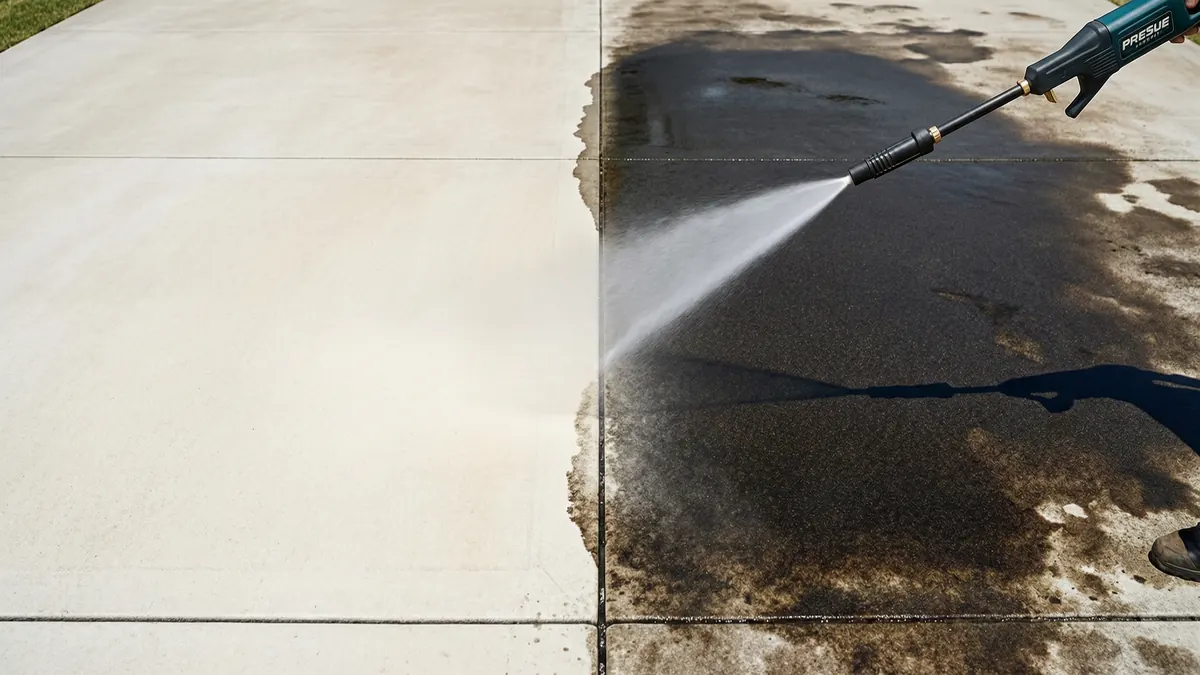
| Pressure washing, driveway | $130–$275 | Concrete at roughly $0.15–$0.30 per sq ft |
| Pressure washing, house soft wash | $200–$475 | Siding at roughly $0.30–$0.60 per sq ft |
The minimum charge that gets a truck out typically runs $30–$45, under the national floor. City lots — a narrow Lawrenceville or Dormont yard barely wider than the mower — quote at the minimum, and the older suburbs of Mt. Lebanon, Dormont and Beaver Falls run small enough to route tightly. The big-lot economics live north and west: Cranberry, Murrysville, Peters Township and the South Hills fringes, where half-acre-plus lots and newer fences rebuild the ladder.
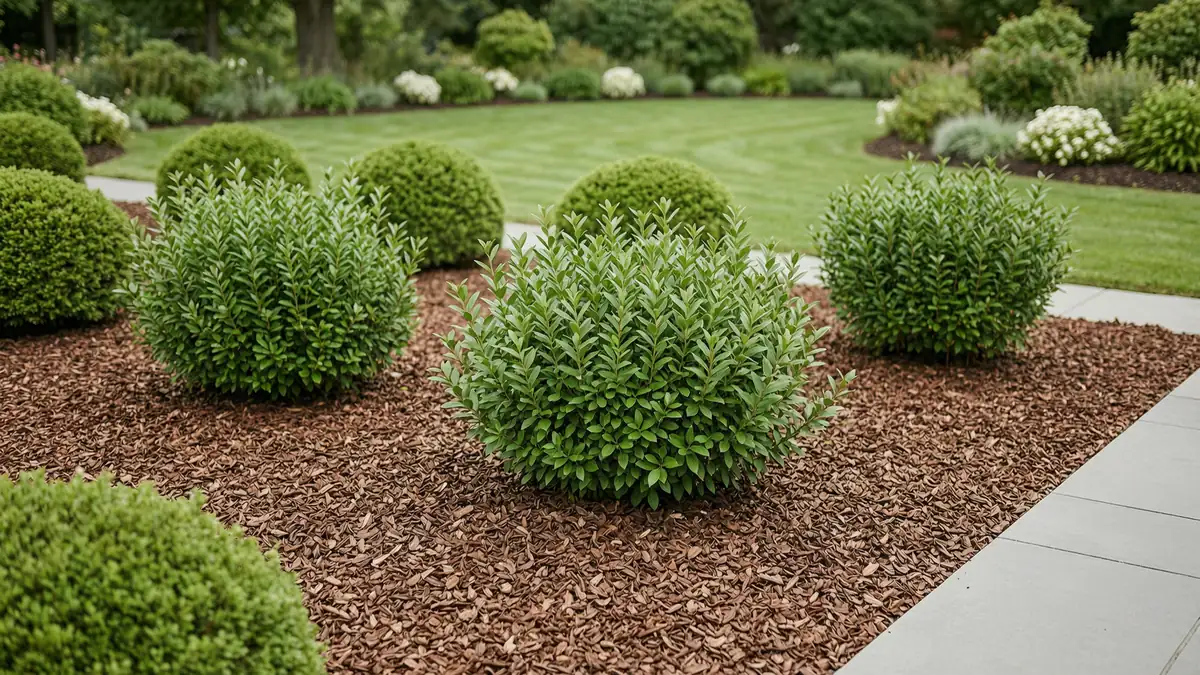
What moves prices in Pittsburgh
Terrain is the price story here. No other metro in this series applies the difficulty modifier as routinely. Slopes are the classic case: a zero-turn is unusable sideways on grade, so hillsides become string-trimmer and walk-behind work that takes two to three times longer per square foot — the standard +10–25% is a floor, not a ceiling, on steep banks. Add terraced yards split by retaining walls, rear yards reachable only by steps or a shared alley, and fence gates sized for people rather than mowers, and Pittsburgh quoting becomes an access audit before it is a pricing exercise. A 6,000 sq ft lawn that a rider can reach and one that demands a walk-behind down two flights of steps are simply not the same job.
Cool-season grass on shaded hillsides. Pittsburgh lawns are the standard southwest Pennsylvania mix — Kentucky bluegrass, tall fescue and fine fescue — per Penn State Extension's turfgrass resources, and the region's heavy tree canopy pushes many yards fescue-heavy because fescues tolerate shade better. The season typically runs late April through October, roughly 24–27 mowing weeks: a slow, cool Appalachian-plateau spring, a hard May–June surge, and a fall that belongs as much to leaves as to grass. Aeration — typically $70–$180 — is the standard clay-soil add-on, with fall the preferred window; on slopes, it prices as walk-behind or even hand work.
Leaves, snow and a compressed year. The maple-oak canopy drops densely from mid-October into November, and two-visit fall packages (typically $125–$400 on standard lots, more with steep access) end with a blower pass timed before the snow — many operators flip to plowing, and that winter work is what makes a below-average summer band viable. Spring in Pittsburgh is wet, which stacks rain delays onto the year's fastest growth and rewards crews that build slack into May. Wage expectations track the region; the Bureau of Labor Statistics grounds maintenance occupational page is the right cross-check.
Mowing price ladder in Pittsburgh
| Lot size | Typical per visit |
|---|---|
| Under 5,000 sq ft | $28–$40 |
| 5,000–10,000 sq ft | $30–$50 |
| 10,000–20,000 sq ft | $50–$80 |
| 1/2 acre (≈21,800 sq ft) | $70–$105 |
| 1 acre and up | $100–$150 |
Read every row as flat-and-accessible pricing. A sloped version of the same lot adds the difficulty modifier — hillside lawns in the South Hills slopes or along the river valleys routinely quote a row higher than the table shows, and steep banks that only a trimmer or a harness can reach quote as specialty work.
Questions Pittsburgh customers actually ask
Why is my quote higher than my neighbor's flat yard? Because terrain and access are the product. Slopes, terraces, steps and narrow gates multiply the labor per square foot, and an honest operator prices that rather than eating it — the modifier framework is explained in the 2026 pricing guide.
Can you even mow my backyard? Sometimes barely. On lots with no equipment access, the back yard becomes trimmer-only or is cut with a small walk-behind carried down the steps, and it is quoted separately from the front. Walk the property with the bidder before accepting any number.
What happens to all the leaves on a hill? Blower-only passes move them to the curb or a collection point instead of mowing over them, which takes longer and is priced accordingly. Steep-canopy lots are the top of the cleanup band for a reason; the leaf cleanup pricing guide covers how volume-based quoting works.
Quoting against these ranges
Homeowners: get quotes after the operator has seen the yard in person — in Pittsburgh, an unseen quote is a fiction. Pros: set the base with the mowing price calculator, then price terrain deliberately: slopes, access and terraces are named line items, not favors. Pair the season with snow removal pricing for the full-year plan, and see the lawn care prices by city hub for metro-to-metro comparison.
FAQ
How much does lawn mowing cost per cut in Pittsburgh?
Typically $30–$50 per visit for a standard 5,000–10,000 sq ft lawn, with a $30–$45 minimum — a notch below the national $35–$60 band. But Pittsburgh terrain adds back what the base price saves: slopes, terraced yards and stair-access backyards routinely push quotes up 10–25%.
When does the mowing season run in Pittsburgh?
Typically late April through October, roughly 24–27 mowing weeks. Cool Appalachian-plateau springs slow the start, May and June growth surges, and the season tapers through fall leaf work into November.
What grass types are common in Pittsburgh lawns?
Cool-season mixes standard for southwest Pennsylvania: Kentucky bluegrass, tall fescue and fine fescue, per Penn State Extension turf guidance. Shaded lots under the region's heavy tree canopy lean fescue-heavy, since fescues tolerate shade better than bluegrass.
Do hills really cost more to mow in Pittsburgh?
Yes. Slopes are the classic difficulty modifier: zero-turn mowers are unsafe or unusable sideways on grade, so hills become trimmer or walk-behind work that takes two to three times longer. Expect +10–25% on sloped yards, more on steep banks where a harness or blower-only cleanup is needed.
How much is fall leaf cleanup in Pittsburgh?
Typically $125–$400 for a standard lot, below national bands at the base — but the region's dense maple and oak canopy pushes heavy-canopy yards well past the top. Two-visit fall packages are standard, and yards too steep to mow in late fall get blower-only final passes.
Why are lawn care prices lower in Pittsburgh than the national average?
Cost of living and wage levels run below coastal and Sunbelt metros, pulling the whole price structure down. Terrain pushes individual quotes back up, so Pittsburgh effectively trades a below-average base price for above-average difficulty pricing — the final bill often lands near the national middle.