Lawn Care Prices in Raleigh (2026)
Raleigh is a transition-zone market with a fast-growing service industry behind it. Wake County adds subdivisions every year, tall fescue lawns dominate the older tree-lined neighborhoods while Bermuda and zoysia carpet the newer sun-exposed lots, and the growing season stretches from spring green-up well into fall. That combination keeps pricing competitive on mowing and steady on the seasonal add-ons that actually make up a lawn care budget. Here is what lawn care typically costs in Raleigh in 2026.
By the MowMath editorial team · Updated $1
Key numbers at a glance
| Service | Typical Raleigh range | What moves the number |
|---|---|---|
| Mowing, 5,000–10,000 sq ft | $35–$55 per visit | Frequency, trimming, gate access |
| Small lot under 5,000 sq ft | $30–$45 per visit | Most quotes sit at the minimum charge |
| Half acre | $85–$115 per visit | Slope, trees, zero-turn access |
| Core aeration | $75–$190 per lawn | Clay compaction; double pass adds 25–50 percent |
The national benchmark is $35–$60 per mow for a typical 5,000–10,000 sq ft lawn, and Raleigh quotes generally land right around the middle of it — the metro is neither an expensive coastal market nor a low-cost rural one. The numbers below are our estimates for Raleigh, derived from those national benchmarks and adjusted for the local mix of lot sizes and grass types. Treat every figure as a hedged range and verify with live quotes; for other markets, see the lawn care prices by city hub and the 2026 pricing guide.
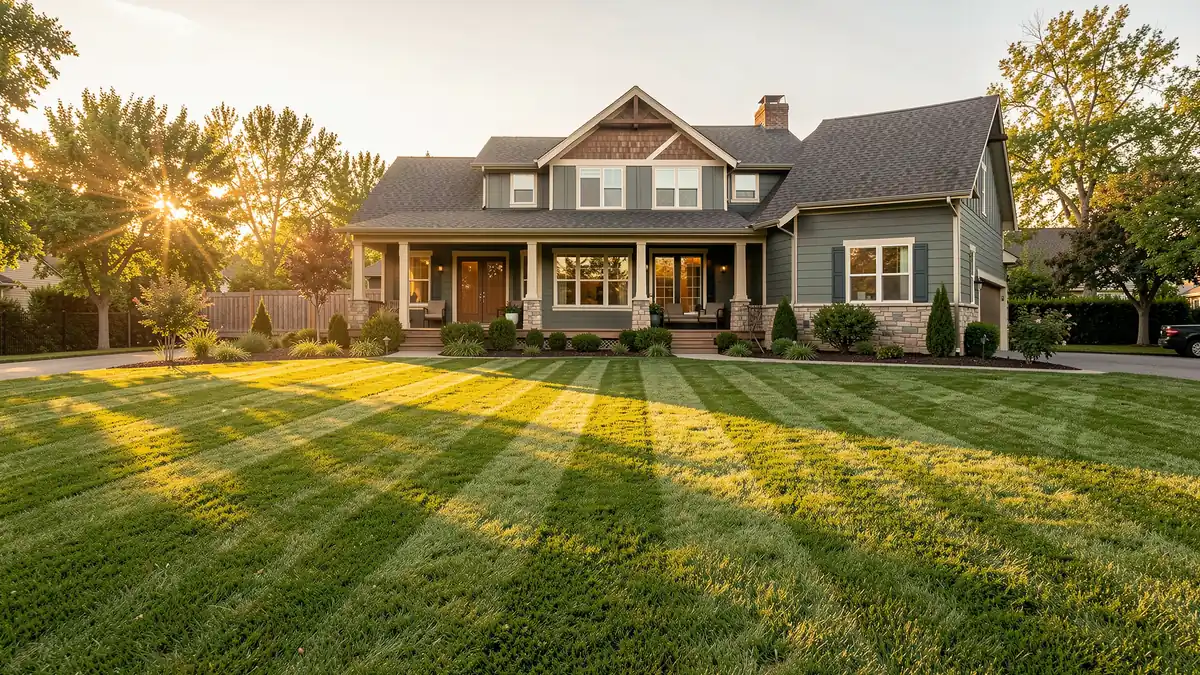
Lawn care prices in Raleigh: the ranges
These are typical 2026 ranges for weekly recurring work and the most common one-off jobs across Raleigh, Cary, Apex, Wake Forest and the surrounding Triangle. Inside the Beltline, older lots with mature trees and fences quote differently than the open, newer yards of Holly Springs or Fuquay-Varina — usually upward, because trimming around established landscaping takes time.
| Service | Typical Raleigh range | What moves the number |
|---|---|---|
| Mowing, 5,000–10,000 sq ft | $35–$55 per visit | Frequency, trimming, gate access |
| Small lot under 5,000 sq ft | $30–$45 per visit | Most quotes sit at the minimum charge |
| Half acre | $85–$115 per visit | Slope, trees, zero-turn access |
| Core aeration | $75–$190 per lawn | Clay compaction; double pass adds 25–50 percent |
| Aeration + overseed combo | $250–$500 | Seed billed as a materials line |
| Fall or spring cleanup | $175–$325 | Leaf volume, disposal, bed edging |
| Pressure washing, driveway | $110–$250 | Concrete versus pavers, square footage |
| Pressure washing, house wash | $225–$575 | Siding area, soft-wash mix |
Two Raleigh-specific notes on those numbers. First, the Piedmont's red clay compacts hard, so aeration is a genuine annual service here rather than an upsell — especially on newer construction lots where topsoil was scraped off during building. Second, humidity is the hidden price factor: warm, wet nights bring brown patch pressure to fescue lawns every summer, and providers who manage it well (proper height, careful fertilizer timing) are worth their quote. Our aeration and overseeding pricing page shows how those fall tickets are built.
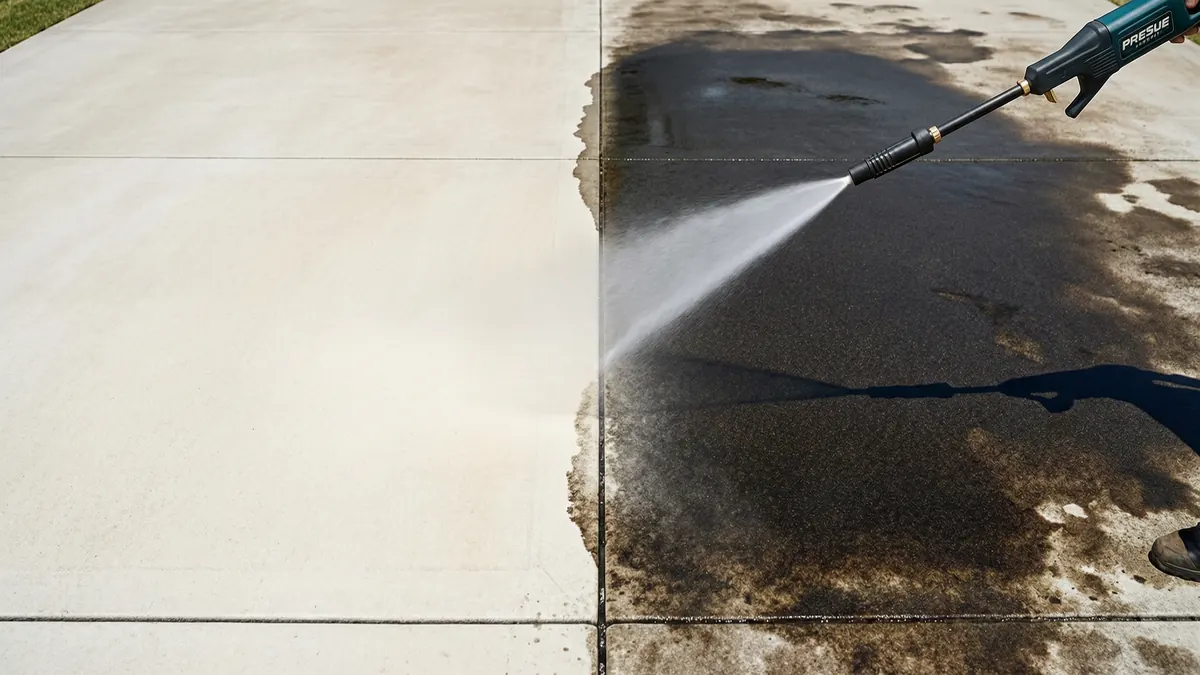
What moves prices in Raleigh
Grass type. NC State Extension publishes separate maintenance calendars for the four lawns that matter here — tall fescue, Bermuda, zoysia and centipede — because their care barely overlaps. Fescue is cut at about 3.5 inches and fed in fall; Bermuda is cut low and fed through summer. A Raleigh quote should match the grass: more summer mows on Bermuda, a fall renovation package on fescue.
Season length. The typical Raleigh mowing season runs from late March or early April into November — roughly 30 cuts a year on a weekly schedule. Fescue slows in July and August but rarely stops entirely; Bermuda runs hard until first frost. That long dual season is why most local contracts are quoted as a monthly price covering April through October.
Route density. The Triangle is one of the densest lawn-care markets in the Southeast — providers can stack stops inside a single Cary or Knightdale subdivision, and that efficiency shows up in sharper per-visit pricing than you will see in exurban Franklin or Johnston counties. Ask any bidder whether your street is already on a route.
Lot profile. Mature Inside-the-Beltline yards carry fence lines, planting beds and tree trunks that eat trimming time; newer subdivision lots are open and fast but bigger. A small complicated lot can cost more to service than a larger simple one — square footage alone does not set the price.
Storm and pollen season. Pine pollen coats every surface in April, which feeds demand for house washes and driveway pressure washing, and summer thunderstorms drop limbs that get billed as separate cleanups. Both are quoted per job, not folded into mowing rates.
Season length and what it does to a Raleigh contract
A Raleigh lawn year has four distinct phases. Spring (April–May) is the heaviest growth: fescue surges before heat arrives, and biweekly lawns often need a schedule correction. Early summer (June) is transition — fescue slows, Bermuda accelerates, and mowing frequency may actually increase on warm-season lawns. Peak summer (July–August) is stress management: higher cutting heights, careful watering, and brown patch watch on fescue. Fall (September–November) is the second revenue season, with aeration and overseeding on fescue in that late-August-to-September window, then leaf cleanups on the oaks and maples that define older Triangle neighborhoods. When you compare annual prices, make sure every bid includes the same phase list — a low mow rate with no cleanup or aeration line is not a cheaper season.
Grass types in Raleigh and why they change the quote
Tall fescue remains the default for shaded and established Raleigh lawns, and NC State Extension's tall fescue calendar anchors the local schedule: mow high, feed in fall, aerate and overseed around early autumn. Bermuda is the standard choice for full-sun lots and anyone who wants a low, dense carpet — it needs more cuts in summer but skips the fall renovation bill. Zoysia splits the difference and carries a modest premium for slower growth and denser thatch, while centipede appears on low-input sandy sites east of town. The pricing consequence is simple: on fescue, budget for an annual fall aeration-and-overseed; on Bermuda, budget for a few extra midsummer cuts. Either way, run your lot through our mowing price calculator and check the leaf cleanup pricing guide before fall. For authoritative local timing, use the calendars published by NC State Extension.
FAQ
How much does lawn care cost per month in Raleigh?
Most weekly mowing customers in Raleigh pay roughly $140–$220 per month in season for a typical 5,000–10,000 sq ft lawn, since per-visit quotes typically land around $35–$55. Biweekly schedules usually cost 15–25 percent more per visit because the grass is taller each time.
Does fescue or Bermuda cost more to maintain in Raleigh?
Mowing itself is priced similarly, but the add-ons differ. Tall fescue wants fall aeration and overseeding — commonly $250–$500 as a combo in this market — while Bermuda wants more frequent summer cuts and little to no overseeding. Annual cost usually depends more on your service list than on the grass itself.
How tall should I keep tall fescue in Raleigh?
NC State Extension guidance says tall fescue performs best mowed at about 3.5 inches and should not be cut below about 2.5 inches. In Raleigh's humid summers, keeping the height up reduces heat and disease stress — scalping a fescue lawn in July is how bare patches start.
When should I aerate and overseed a lawn in Raleigh?
Early fall is the window for tall fescue in the Triangle — typically late August through September, paired with overseeding while soil is still warm. Bermuda and zoysia lawns are better aerated in late spring to early summer. Typical local aeration runs roughly $75–$190 for an average lawn.
How much does a leaf cleanup cost in Raleigh?
A typical suburban lot in Raleigh usually runs roughly $175–$325 for a fall cleanup, with heavily treed lots in older neighborhoods pushing $450 or more. Multi-visit fall contracts commonly land between $300 and $700 depending on tree cover and disposal.
Should I tip my lawn care provider in Raleigh?
Tipping is not expected, but it is appreciated. A common approach is roughly the cost of one mow at the end of the season or a gift card around the holidays for a crew that has been reliable all year.