Lawn Care Prices in Salt Lake City (2026)
Salt Lake City lawn care prices sit near the national average — typically $35–$60 per mow on a standard lot — in a metro where every lawn is irrigated by design: without supplemented water in this high-desert climate, bluegrass simply stops. A ~28-week season, Wasatch Front route density and rising water consciousness set the terms. Here is what the ranges look like in 2026.
By the MowMath editorial team · Updated $1
Key numbers at a glance
| Service | Typical Salt Lake City range | What drives it |
|---|---|---|
| Weekly mowing, typical lawn | $35–$60 / visit | Near the national band; biweekly adds 15–25% |
| Small-lawn minimum charge | $30–$50 | Salt Lake and Sugar House lots hit it often |
| Mowing, 1/2 acre and larger | $75–$140 / visit | Bench lots in Sandy, Draper, Cottonwood Heights |
| Core aeration | $75–$200 | Late summer window; pair with overseeding |
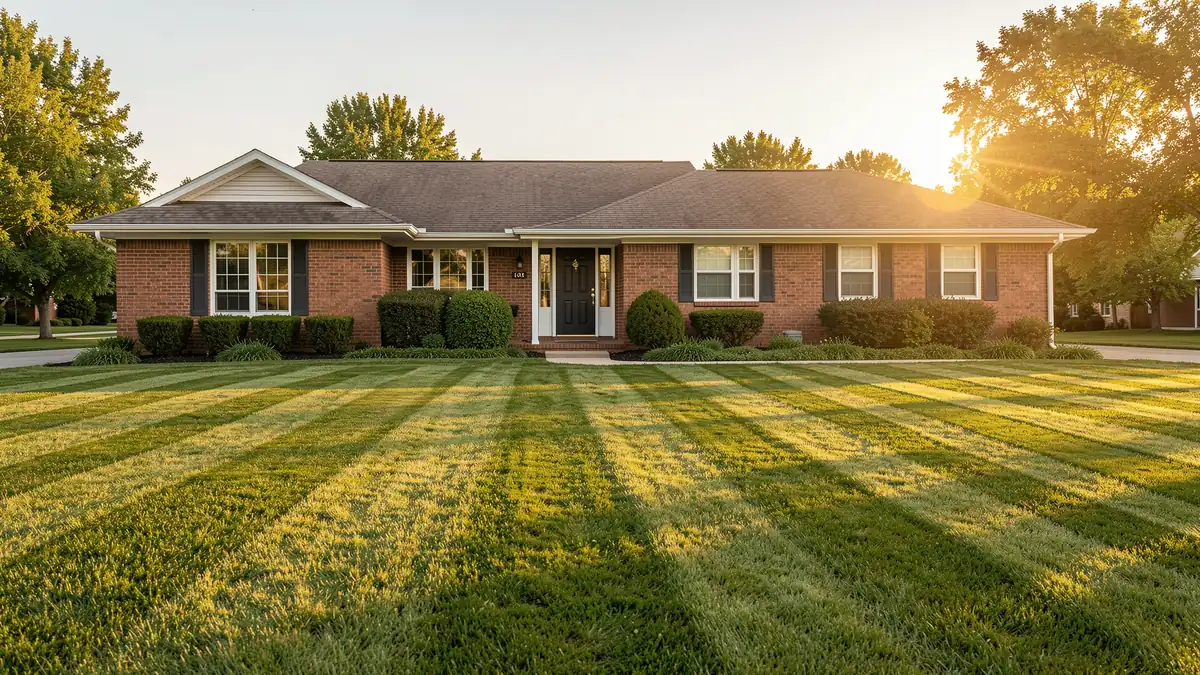
Lawn care prices in Salt Lake City: the ranges
These bands start from national benchmarks — $35–$60 per mow for a typical 5,000–10,000 sq ft lawn — and hold them roughly flat for Salt Lake City, which prices near the U.S. average. Every figure is a hedged range, not a surveyed price: lot size, slope, tree cover and frequency move real quotes around inside each band.
| Service | Typical Salt Lake City range | What drives it |
|---|---|---|
| Weekly mowing, typical lawn | $35–$60 / visit | Near the national band; biweekly adds 15–25% |
| Small-lawn minimum charge | $30–$50 | Salt Lake and Sugar House lots hit it often |
| Mowing, 1/2 acre and larger | $75–$140 / visit | Bench lots in Sandy, Draper, Cottonwood Heights |
| Core aeration | $75–$200 | Late summer window; pair with overseeding |
| Fall leaf cleanup | $150–$400 | Cottonwood and maple canopy; windstorm add-ons |
| Pressure washing, driveway | $140–$290 | Concrete at roughly $0.15–$0.30 per sq ft |
| Pressure washing, house wash | $240–$550 | Siding soft wash at roughly $0.30–$0.60 per sq ft |
Submarkets spread inside those bands. The Salt Lake valley floor — the Avenues, Sugar House, Murray — carries moderate city lots that quote mid-band. The east bench (Federal Heights, Olympus Cove, Cottonwood Heights) adds slopes, terraces and hillside access that push quotes up; the same physics apply in Park City-adjacent Wasatch County at a premium. Sandy, Draper, South Jordan and the Daybreak-style master-planned communities run the HOA gamut from postage-stamp turf to half-acre bench lots. Tooele and Utah County price (Provo, Orem, Lehi) typically quote a touch friendlier for identical grass.

What moves prices in Salt Lake City
A dry-summer season of about 28 weeks. Mowing typically runs from early-to-mid April green-up through late October — roughly 27–30 billable weeks. Spring snowstorms can interrupt the first cuts, June heat plus irrigation drives the fastest growth of the year, and growth ends abruptly with hard frost and the sprinkler blowouts of late October. The dry-summer wrinkle is that growth is throttled by irrigation rather than rain: a lawn on a strict watering budget grows slower and cuts fewer times, which is why drought-year rules can quietly shave visits off a season — check seasonal contract math over about 28 weeks.
Bluegrass country, with a fescue pivot. Kentucky bluegrass is the most common lawn on the Wasatch Front, usually blended with perennial ryegrass and fine fescue, and Utah State University Extension's turfgrass cultivar guidance also recommends turf-type tall fescue as a general-purpose grass with better heat and shade tolerance than bluegrass — a meaningful edge in a high-desert climate. USU's northern Utah turfgrass management calendar anchors the year: late summer is the optimum seeding window, which is why aeration-plus-overseed packages cluster in late August and September. For pricing, the practical split is simple — bluegrass lawns on full irrigation mow weekly through summer; low-water fescue and buffalo-type lawns stretch to biweekly.
Local cost drivers. Water is the metro's recurring lawn story: conservation programs and drought-year rules (verify current status with your city utility or the local conservancy district) periodically brown out irrigation schedules, and the landscaping market keeps tilting toward less-turf designs. Labor runs tighter than in cheaper Midwest metros — cross-check wages against the Bureau of Labor Statistics grounds maintenance occupational data — and October canyon winds can drop real tree debris in a single night, billing as storm cleanup rather than routine mowing. Crews that survive here price the irrigation check as a line item, because a lawn without working heads in July is a liability claim by August.
Mowing price ladder in Salt Lake City
| Lot size | Typical per visit |
|---|---|
| Under 5,000 sq ft | $30–$45 |
| 5,000–10,000 sq ft | $35–$60 |
| 10,000–20,000 sq ft | $55–$90 |
| 1/2 acre (≈21,800 sq ft) | $75–$125 |
| 1 acre and up | $105–$170 |
East-bench slopes, retaining-wall terraces, narrow side-yard access and fruit trees with low canopies justify the top of a row; flat valley-floor frontage with clean fence lines quotes at the bottom. Slopes and gates are difficulty modifiers — the same +10–25% math every other metro uses — and irrigation head checks are a named add-on, not a favor.
Questions Salt Lake City customers actually ask
What happens to my contract in a drought year? Watering rules can slow or brown lawns; fair contracts state how per-visit billing pauses or how monthly plans credit skipped cuts. Ask in April, verify current rules with your utility, and get the answer in writing.
Should I convert bluegrass to fescue? Fescue's heat and shade tolerance and lower water appetite make it the USU-recommended general-purpose pivot in this climate. The conversion cost is real — usually seed, irrigation tuning and a season of patience — and it shows up in fewer cuts and a smaller water bill, not a lower per-visit rate.
Who pays for windstorm debris? Canyon-wind limb drops bill as cleanup — hourly or by volume — not as mowing. Photograph the debris, agree on hauling and dump fees in writing, and expect real tree work to quote closer to the leaf cleanup pricing guide bands than to a mow.
Quoting against these ranges
Homeowners: collect three written quotes in March or early April and confirm insurance; on the bench, ask specifically about slope and access surcharges before signing. Pros: set the per-visit number with the mowing price calculator, floor storm and cleanup work with the hourly rate calculator, and compare against 50 metros on the lawn care prices by city hub.
FAQ
How much does lawn mowing cost per cut in Salt Lake City?
Typically $35–$60 per visit for a standard 5,000–10,000 sq ft lawn, with a $30–$50 minimum — near the national band. A fast-growing metro with dense suburbs keeps pricing average even as demand for water-wise landscaping rises; slopes, terraces and big Sandy or Draper lots push the top of the range.
When does the mowing season start and end in Salt Lake City?
Typically early-to-mid April through late October — roughly 27–30 billable weeks. Spring snowstorms can interrupt April cuts, growth peaks with June heat and irrigation, and hard frosts end the season quickly. Price flat seasonal contracts over about 28 weeks, not a generic 32.
What grass grows in Salt Lake City lawns?
Kentucky bluegrass is the most common Wasatch Front lawn, usually mixed with perennial ryegrass and fine fescue, and turf-type tall fescue is a recommended lower-water general-purpose option — the spread Utah State University Extension covers in its turfgrass cultivar guidance.
How much does core aeration cost in Salt Lake City?
Typically $75–$200 on a standard lot. USU Extension's northern Utah calendar puts late summer as the optimum seeding window for cool-season lawns, which makes late August through September the best aeration-plus-overseed pairing for bluegrass and fescue.
How much is fall leaf cleanup in Salt Lake City?
Typically $150–$400 depending on lot size and tree cover, with cottonwood, maple and locust canopy running the top of the band. Canyon windstorms in October and November can drop a season's worth of debris in a night — that work bills as storm cleanup, not mowing.
Do Utah water restrictions affect lawn care contracts?
They can. During drought years, watering rules and conservation programs across the Wasatch Front can slow growth or brown lawns. Fair contracts state what happens to per-visit or monthly billing when the lawn goes dormant — ask before signing, and verify current rules with your water utility or conservancy district.