Lawn Care Prices in San Antonio (2026)
San Antonio lawn care prices typically run 10–20 percent below national benchmarks: a typical 5,000–10,000 sq ft lot most often quotes $30–$50 per mow, and small lots bill around a $25–$45 minimum. A lower cost of living, a near-ten-month growing season and one of the most competitive crew markets in the country all push the same direction — here is what the ranges look like.
By the MowMath editorial team · Updated $1
Key numbers at a glance
| Service | Typical San Antonio range (2026) | Notes |
|---|---|---|
| Weekly mowing, 5,000–10,000 sq ft lot | $30–$50 | Weekly through the season; biweekly adds 15–25 percent |
| Small-lawn minimum charge | $25–$45 | The truck, the drive and the gate still happen |
| Core aeration, typical lot | $65–$170 | Below national band; rock pockets near the Hills slow tines |
| Seasonal cleanup | $175–$360 | Live oaks drop in spring; light fall pass second |
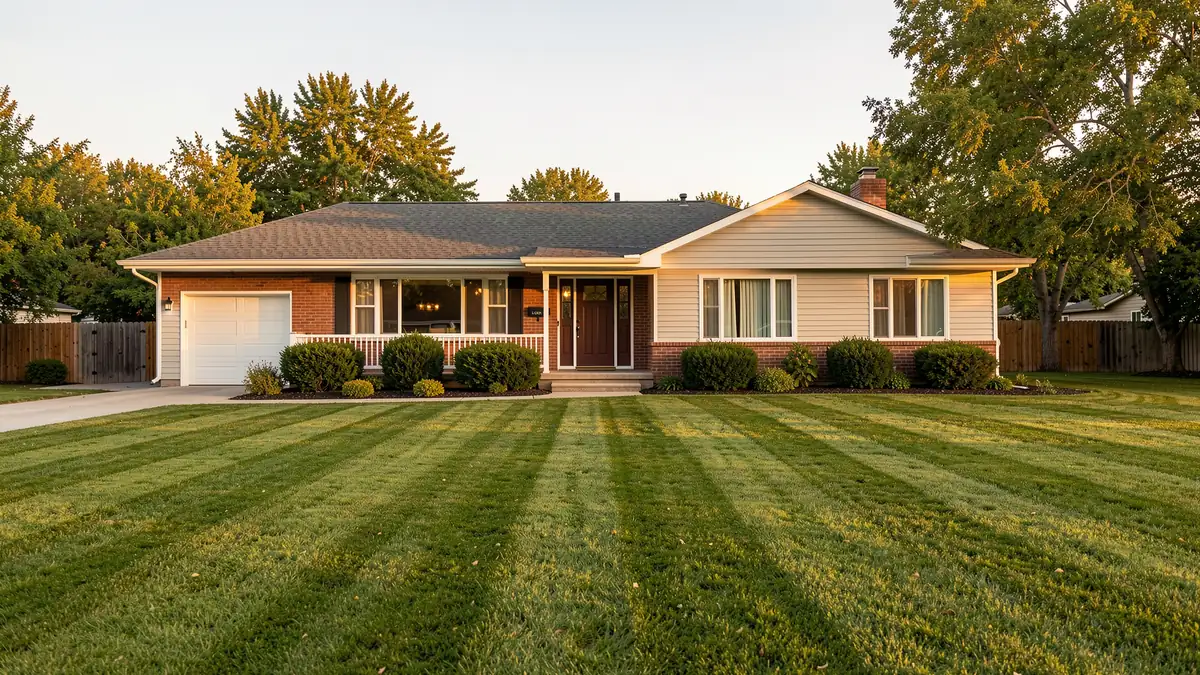
Lawn care prices in San Antonio: the ranges
The national benchmark is $35–$60 per weekly mow on a typical lot, roughly $0.003–$0.006 per square foot, and San Antonio typically runs 10–20 percent under it — most quotes land at roughly $0.003–$0.005 per square foot per cut. What the metro saves per visit it partly returns in volume: the season is long, growth is relentless in spring, and weekly service stays standard. Every figure below is a hedged range, not a surveyed price.
| Service | Typical San Antonio range (2026) | Notes |
|---|---|---|
| Weekly mowing, 5,000–10,000 sq ft lot | $30–$50 | Weekly through the season; biweekly adds 15–25 percent |
| Small-lawn minimum charge | $25–$45 | The truck, the drive and the gate still happen |
| Core aeration, typical lot | $65–$170 | Below national band; rock pockets near the Hills slow tines |
| Seasonal cleanup | $175–$360 | Live oaks drop in spring; light fall pass second |
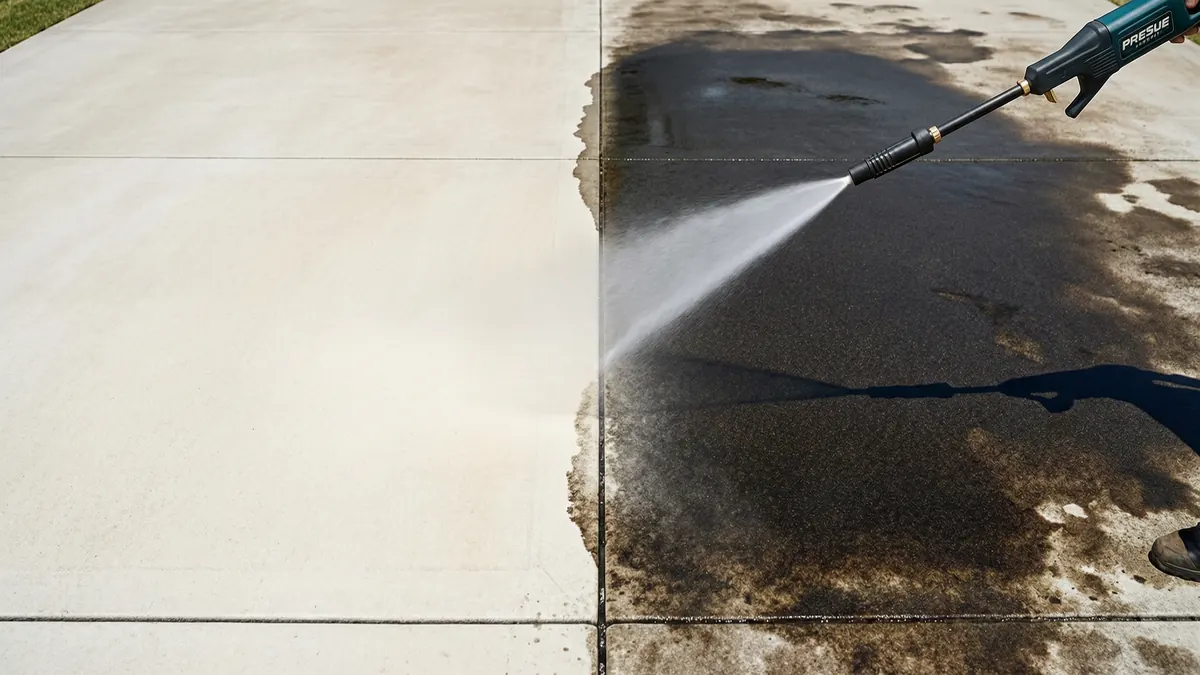
| Pressure washing, driveway | $100–$230 | 600–1,000 sq ft concrete, hard-water staining |
| Pressure washing, house wash | $210–$520 | 1,500–2,500 sq ft soft wash, stucco and brick common |
Submarkets spread inside those bands. Older inside-the-Loop neighborhoods — Alamo Heights, Terrell Hills, Monte Vista — carry moderate lots at mid-band with mature-shade trimming work attached. The far north side — Stone Oak, Sonterra, the 1604 corridor — runs bigger, newer lots and HOA frequency standards toward the top. West and northwest toward Helotes and the Hill Country edge, lots get rockier and rockier, and quotes climb back toward national numbers for the difficulty, not the size.
What moves prices in San Antonio
Season length. San Antonio's growing season typically runs late February or early March through November — roughly 36–40 weeks, one of the longest in the country. Spring growth is fast and wet; July and August heat pushes warm-season grass toward dormancy and stretches intervals; September and October deliver a second push if tropical moisture arrives. From roughly December through February most lawns rest and crews downshift. That long calendar is a pricing gift: annual revenue spreads across many cuts, so per-visit rates can sit low and still add up to a full year of work.
Grass types. Warm-season turf with deep local roots. St. Augustine is the classic San Antonio lawn — shade-tolerant and lush where water allows; Bermuda dominates full-sun and builder lots; and drought-tolerant zoysia keeps gaining ground as water consciousness rises, all part of the state roster Texas A&M's AggieTurf program profiles. SAWS, the local water utility, has spent years paying residents to convert grass to drought-tolerant landscaping, so portions of the metro's turf have been swapped for native beds and gravel — those homes shift from mowing plans to trimming-and-weeding visits priced near the minimum. Chinch bugs are the classic St. Augustine killer here; treatment programs sell steadily through summer.
Local cost drivers. The metro's below-average cost of living is the dominant force — labor, fuel and insurance all cost less than in Austin or Dallas, and the difference shows up directly in per-visit rates. Competition compounds it: San Antonio supports a high density of small crews fighting for long-term monthly contracts, often tied to its steady military and municipal employment base, and price discipline is brutal at the bottom of the market. The offsetting costs are water and rock: drought-cycle restrictions under SAWS conservation rules slow growth in dry years, and Hill Country-edge lots sit on shallow limestone that blunts blades and tines.
Questions worth asking any San Antonio provider:
- What's included in the monthly price — treatments or mowing only? Below-market mowing rates are often subsidized by fertilizer-program upsells; get the scope in writing.
- How do you price rock and cedar lines near the Hills? Difficulty work should be quoted on sight, not discovered mid-job.
- What height do you cut St. Augustine in August? Scalped St. Augustine in a South Texas August invites chinch bugs and death by September.
- Can you handle SAWS-conservation yards? Crews fluent in drought-tolerant beds and drip zones are worth a premium here.
- What does the December–February pause look like? Dormant warm-season grass should mean reduced or paused billing, not full price.
Compare these bands against 50 metros on the lawn care prices by city hub, price any lot with the mowing price calculator, and check a crew's rates against their real costs with the hourly rate calculator — the cheapest quote in a market this competitive is not always the cheapest by October.
FAQ
How much does lawn mowing cost in San Antonio?
Typically $30–$50 per visit on a typical lot — usually 10–20 percent below national benchmarks. Small lots bill around a $25–$45 minimum, and larger Stone Oak or Helotes properties quote $55 and up.
When is lawn mowing season in San Antonio?
Roughly late February or early March through November — about 36–40 weeks, among the longest seasons in the country. Growth peaks in spring, slows in August heat, and winter dormancy pauses most mowing from roughly December through February.
What grass grows in San Antonio lawns?
St. Augustine is the region's classic lawn, Bermuda dominates full sun, and drought-tolerant zoysia keeps gaining ground — the core species in Texas A&M's AggieTurf profiles for South Central Texas.
How much does aeration cost in San Antonio?
Roughly $65–$170 for a typical lot, single pass — below the national band, like most services here. Rocky pockets of the Hill Country edge can slow tine work and push quotes toward the top.
How much does yard cleanup cost in San Antonio?
Plan on $175–$360 for a typical seasonal cleanup. Live oaks drop leaves in spring rather than fall, so the busy cleanup window lands March through April, with a lighter fall pass.
Why is lawn care cheaper in San Antonio than in Austin or Dallas?
A lower cost of living keeps labor rates down, military-town steadiness keeps crews competing hard for long-term contracts, and a near-ten-month season spreads revenue across more cuts. The result is a market that typically runs 10–20 percent under national benchmarks.