Lawn Care Prices in Seattle (2026)
Seattle lawn care prices ride the calendar's wet half: from April through June the grass barely stops, and quotes of $40–$75 per mow on a typical lot reflect a metro where labor, disposal and slopes all cost more than the national average. Here is what the ranges actually look like across the city and the Eastside.
By the MowMath editorial team · Updated $1
Key numbers at a glance
| Service | Typical Seattle range (2026) | Notes |
|---|---|---|
| Weekly mowing, 5,000–10,000 sq ft lot | $40–$75 | Weekly in spring; biweekly is common by August |
| Small-lawn minimum charge | $35–$60 | The truck, the drive and the setup still happen |
| Core aeration, typical lot | $85–$250 | Single pass; mossy shaded lawns benefit most |
| Fall leaf cleanup | $220–$430 | Disposal of wet debris is the cost driver |
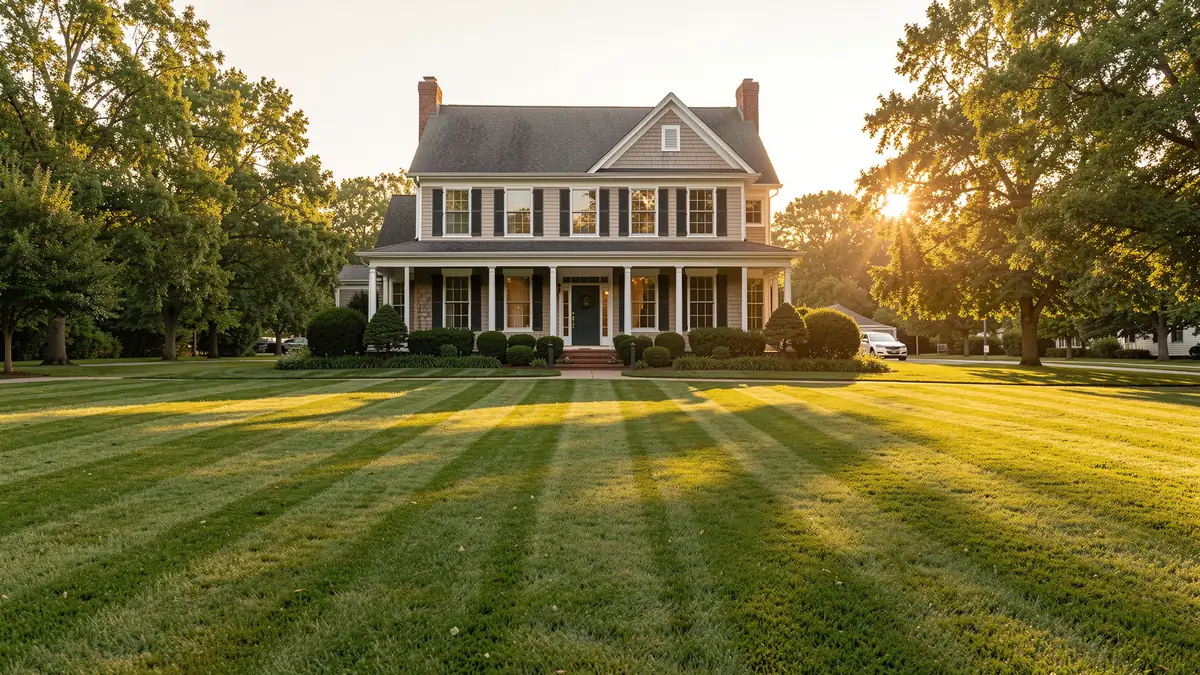
Lawn care prices in Seattle: the ranges
The national benchmark for a weekly mow is $35–$60 on a typical lot. Seattle typically runs roughly 10–30 percent above that — close-in neighborhoods near the middle of the local band, Eastside suburbs with bigger lawns near the top. All figures below are hedged planning ranges; lot size, slope and how wet the spring was move the number.
| Service | Typical Seattle range (2026) | Notes |
|---|---|---|
| Weekly mowing, 5,000–10,000 sq ft lot | $40–$75 | Weekly in spring; biweekly is common by August |
| Small-lawn minimum charge | $35–$60 | The truck, the drive and the setup still happen |
| Core aeration, typical lot | $85–$250 | Single pass; mossy shaded lawns benefit most |
| Fall leaf cleanup | $220–$430 | Disposal of wet debris is the cost driver |
| Pressure washing, driveway | $135–$320 | 600–1,000 sq ft concrete, moss-stained |
| Pressure washing, house wash | $280–$700 | 1,500–2,500 sq ft soft wash |
Ballard, Wallingford and West Seattle lots tend toward the band's floor — small, flat, close together, efficient to route. Bellevue, Kirkland and Sammamish properties run bigger and pricier toward the ceiling. Sloped West Seattle view lots and anything with narrow side-yard gates add the usual 10–25 percent difficulty premium. Eastside exclusivity adds a service-expectation premium too: the same lawn often quotes higher in Clyde Hill than in White Center.
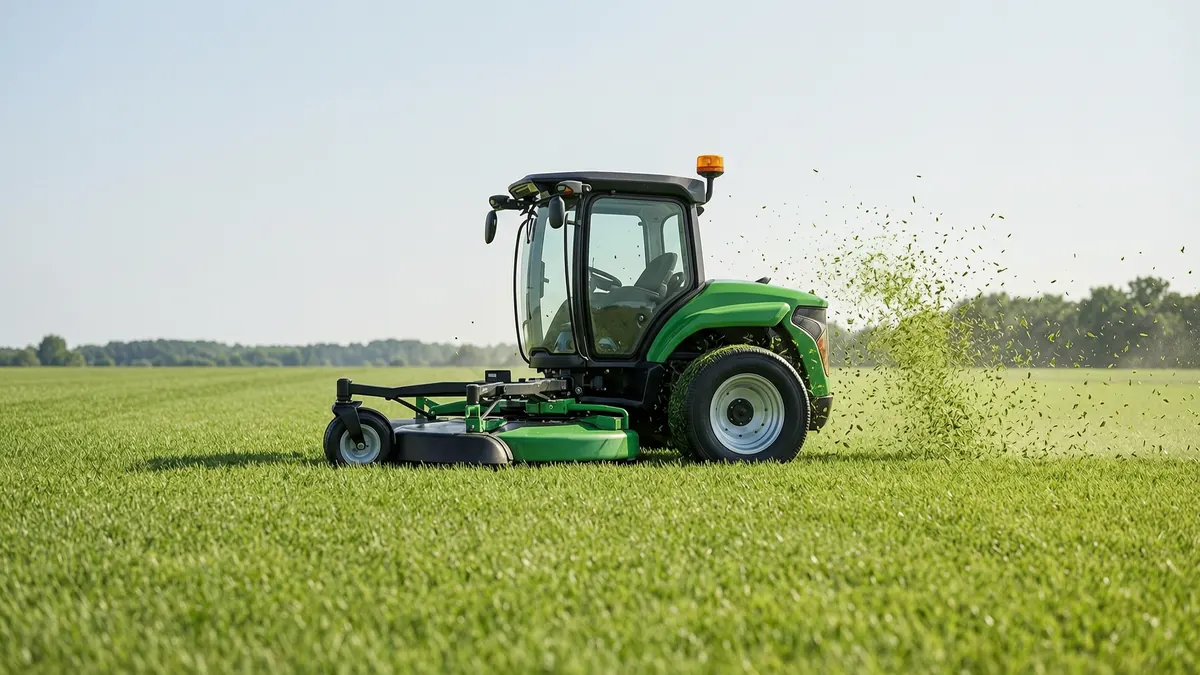
What moves prices in Seattle
Season length. The Puget Sound mowing season typically runs from late March or April into October — roughly 26–30 weeks of real cutting. May and June are the surge, when rain and mild nights can make weekly feel barely enough. July through September is dry: unwatered lawns slow sharply and many routes switch customers to biweekly. November's job is the final cut and the leaf cleanup, then the schedule goes quiet until the moss, drainage and pruning work of winter.
Grass types. Washington State University Extension recommends fine-leaved fescues blended with turf-type perennial ryegrass as the standard western Washington home lawn — the fescues start early and handle shade, the ryegrass establishes fast and takes wear. Kentucky bluegrass appears in full-sun lawns. The regional signature is moss: shaded, damp, acidic lawns grow it faster than grass, so moss treatment, lime and overseeding are standard line items on Seattle quotes.
Local cost drivers. Labor runs high — Seattle's minimum wage is among the nation's highest (verify the current rate at seattle.gov) — and it lifts every quote. Wet-climate debris means yard-waste hauling costs that dry-metro operators never see. The city's noise rules restrict equipment hours, tightening how many stops fit in a day. And the terrain: Seattle is famously sloped, and hills add time to every service on the ticket.
Questions worth asking any Seattle provider:
- How do you price moss treatment? It is the region's most common add-on — usually a per-application fee plus overseeding.
- Is the final fall cleanup included in the season price? The November visit is a real job; confirm it is written down.
- What time can you legally start? Noise rules limit early starts, which affects your schedule, not just the crew's.
- Do you switch to biweekly in the dry weeks? August slowdown is normal; paying weekly for slow grass wastes money.
- Is yard-waste disposal included? Wet debris is heavy and costly to haul — get it in the quote.
Stack these numbers against the rest of the country on the lawn care prices by city hub, turn any lot into a defensible per-visit number with the mowing price calculator, and check that a crew's rates clear their real costs with the hourly rate calculator. The local band sets the market; the math keeps you honest inside it.

FAQ
How much does lawn mowing cost in Seattle?
Typically $40–$75 per visit for a 5,000–10,000 sq ft lot, weekly through the spring surge. Eastside lots with more turf run higher; small close-in lawns land near the $35–$60 minimum.
When is lawn care season in Seattle?
Roughly late March through October — about 26–30 weeks. May and June grow fastest; the dry weeks of July–September slow unwatered lawns enough that biweekly service is common, and November ends the season with a final cut and leaf cleanup.
What grass type grows in Seattle lawns?
Fine fescue and perennial ryegrass blends, the mix Washington State University Extension recommends for western Washington home lawns. Kentucky bluegrass appears in sunny yards, and moss is the persistent invader in shaded ones.
How much does aeration cost in Seattle?
Roughly $85–$250 for a typical lot, single pass. Shaded, mossy, compacted lawns — the default Seattle lawn — benefit most, and a double pass adds 25–50 percent.
How much does leaf cleanup cost in Seattle?
Plan on $220–$430 for a typical lot, more under bigleaf maples and cedars. Wet leaves weigh and cost more to haul, which is why disposal terms belong in the quote.
Is moss treatment worth paying for in Seattle?
Usually yes — moss is the region's default lawn problem. Treatment is typically priced per application with lime and overseeding as follow-ups; keep the mower height up and the lawn fed, or the moss simply returns.