Lawn Care Prices in Virginia Beach (2026)
Virginia Beach lawn care prices sit right on the national band — typically $35–$60 per mow on a standard lot — but the calendar under the price is Southern: warm-season Bermuda and zoysia lawns that grow hard all summer, go brown after the first frost, and skip winter entirely. Add sandy soil, salt air and hurricane season, and Hampton Roads prices its own version of average. Here is what the ranges look like in 2026.
By the MowMath editorial team · Updated $1
Key numbers at a glance
| Service | Typical Virginia Beach range | What drives it |
|---|---|---|
| Weekly mowing, typical lawn | $35–$60 / visit | Warm-season growth peaks June–August |
| Small-lawn minimum charge | $30–$50 | Old Beach and bayfront cottage lots hit it |
| Mowing, 1/2 acre and larger | $75–$140 / visit | Common in Chesapeake, Suffolk and Pungo |
| Core aeration (May–June on Bermuda/zoysia) | $75–$200 | Timing flips vs Northern Virginia's fall rule |
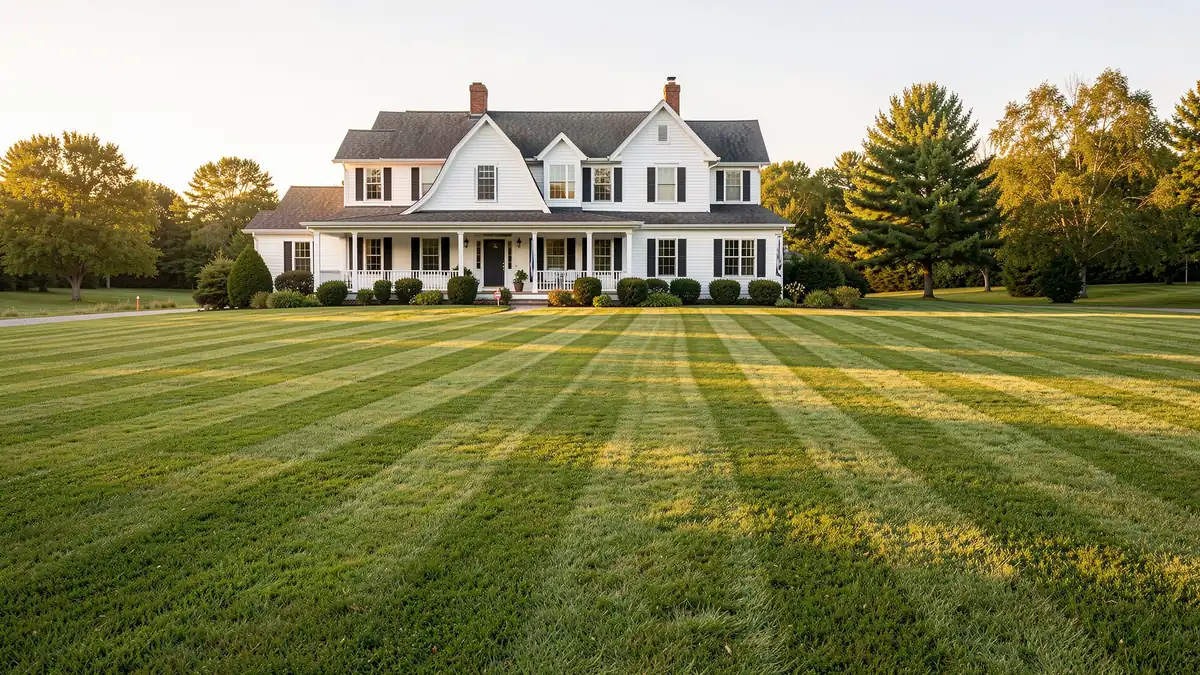
Lawn care prices in Virginia Beach: the ranges
These bands start from national benchmarks — $35–$60 per mow for a typical 5,000–10,000 sq ft lawn — and hold them roughly flat for Virginia Beach, which prices near the U.S. average. Every figure is a hedged range, not a surveyed price: lot size, tree cover, grass type and frequency move real quotes around inside each band.
| Service | Typical Virginia Beach range | What drives it |
|---|---|---|
| Weekly mowing, typical lawn | $35–$60 / visit | Warm-season growth peaks June–August |
| Small-lawn minimum charge | $30–$50 | Old Beach and bayfront cottage lots hit it |
| Mowing, 1/2 acre and larger | $75–$140 / visit | Common in Chesapeake, Suffolk and Pungo |
| Core aeration (May–June on Bermuda/zoysia) | $75–$200 | Timing flips vs Northern Virginia's fall rule |
| Fall / storm cleanup, debris hauled | $175–$450 | Hurricane and nor'easter limb work runs higher |
| Pressure washing, driveway | $150–$300 | Concrete at roughly $0.15–$0.30 per sq ft |
| Pressure washing, house wash | $250–$550 | Humidity feeds mildew; vinyl and cement board |
Submarkets spread inside those bands. The VB oceanfront and old resort districts carry small cottage-scale lots that quote near the minimum plus salt-wind extras. The suburban core — Great Neck, Kempsville, Landstown — anchors the middle with tidy 6,000–10,000 sq ft Bermuda and zoysia lawns under HOA watch. Chesapeake and Suffolk open up into quarter- and half-acre lots where the per-square-foot math finally matters, and the Pungo rural edges run acreage with farm-lane access. Norfolk and Portsmouth quotes typically land at or just under Virginia Beach numbers for the same work.
What moves prices in Virginia Beach
The season is warm-season. Bermuda and zoysia lawns typically grow from May green-up through September or early October — roughly 20–26 mowing weeks — and Virginia Cooperative Extension's training material is blunt that warm-season grasses go dormant and brown after the first hard frost. Winter here is not mowing season; it's pine-straw, bed cleanup and planning season. The corollary matters at contract time: a Virginia Beach lawn that greens in May does not need an April weekly plan, and honest local quotes price the season over about 22–26 visits rather than a generic 30-week northern calendar. Fescue lots flip the math — spring and fall cuts with a July slowdown — so a mixed lawn is a scheduling argument your contract should settle in writing.
Grass types split the metro. Virginia Cooperative Extension's turfgrass selection guide (SPES-748) maps the state: bermudagrass among the most common warm-season grasses, zoysia with the cold tolerance that makes it a durable Tidewater lawn, tall fescue for shade and the transition-zone north and west, and St. Augustine in warm coastal pockets. Practically, the split drives pricing more than anything else on this page: Bermuda wants frequent low cuts through summer (weekly in peak heat), zoysia tolerates biweekly, and fescue wants height and fall care. A crew that quotes before identifying your grass is quoting a coin flip.
Sand, salt and storms. Tidewater's sandy soils drain fast — good for workdays after rain, hungrier for water and fertilizer in July — and salt exposure near the bay and ocean shapes grass choices on waterfront lots. Hurricane and nor'easter season (roughly June through November) is the recurring revenue swing: a single storm can turn a metro's worth of routes into debris-hauling weeks, quoted hourly or by volume — the hourly rate calculator shows what a fair storm-work floor looks like. Hampton Roads wages run above rural Virginia but below the DC corridor; crews should cross-check against the Bureau of Labor Statistics grounds maintenance occupational data, and the region's military-driven rental market keeps turnover work (make-readies, one-time cuts) steady business alongside the recurring routes.
Mowing price ladder in Virginia Beach
| Lot size | Typical per visit |
|---|---|
| Under 5,000 sq ft | $30–$45 |
| 5,000–10,000 sq ft | $35–$60 |
| 10,000–20,000 sq ft | $55–$90 |
| 1/2 acre (≈21,800 sq ft) | $75–$125 |
| 1 acre and up | $105–$170 |
Live oaks and loblolly pines with litter, canal-lot slopes, bulkheads to trim around and irrigated zoysia that shows every missed stripe justify the top of a row; open subdivision frontage with clean fence lines quotes at the bottom. Difficulty modifiers — slopes, gates, dog waste, a jungle first cut — take the same +10–25% here as everywhere else, priced in the contract, not argued in July.
Questions Virginia Beach customers actually ask
Why is my lawn brown all winter? If it's Bermuda or zoysia, that's dormancy, not death — warm-season grasses brown out after first frost and return in May, per Virginia Cooperative Extension. What winter buys instead: bed cleanup, pine-straw and mulch refresh, and a crew that's still answering the phone in March.
When should I aerate here? Warm-season lawns: May through June, in active growth. Fescue: early fall. This is the single most common Hampton Roads lawn mistake — fall-aerating a Bermuda yard does it no favors. See the aeration and overseeding pricing guide for how the two services should be quoted together (and on fescue, they belong together).
What happens to my service after a hurricane? Expect a pause while roads and yards clear, then debris work billed separately from mowing — hourly or by volume, with hauling and dump fees itemized. Ask the question before June: the crews with a written storm plan are the ones that answer the phone in October.
Quoting against these ranges
Homeowners: collect three written quotes in early spring, confirm insurance, and make sure each one names your grass type and its calendar. Pros: set the per-visit number with the mowing price calculator, floor storm and cleanup work with the hourly rate calculator, and compare against 50 metros on the lawn care prices by city hub. For the humidity-stained siding that comes with Tidewater summers, the pressure washing calculator prices house washes by surface.

FAQ
How much does lawn mowing cost per cut in Virginia Beach?
Typically $35–$60 per visit for a standard 5,000–10,000 sq ft lawn, with a $30–$50 minimum — right at the national band. Hampton Roads wages and insurance run above rural Virginia but route density across Virginia Beach, Chesapeake and Suffolk keeps quotes average.
When does the mowing season run in Virginia Beach?
Warm-season lawns (Bermuda, zoysia) typically grow May through September or early October — roughly 20–26 mowing weeks — and go brown and dormant after the first hard frost, per Virginia Cooperative Extension. Fescue lawns run the opposite calendar: spring and fall cuts, slower in July and August heat.
What grass grows in Virginia Beach lawns?
Hampton Roads leans warm-season: bermudagrass is common, zoysiagrass a popular low-maintenance choice, with tall fescue on shaded and northern-edge lots — the spread Virginia Cooperative Extension's turfgrass selection guide covers for Tidewater. St. Augustine appears in warm, protected coastal pockets.
When should I aerate a lawn in Virginia Beach?
It depends on the grass, and this is the local trap. Warm-season Bermuda and zoysia lawns aerate in late spring to early summer, roughly May through June, while they're actively growing. Fall aeration is only for fescue — aerating a dormant warm-season lawn in October sets it back.
How much is storm debris cleanup in Virginia Beach?
Typically $175–$450 for routine fall and post-storm cleanups depending on lot size and tree cover, with real hurricane or nor'easter limb and debris work quoted hourly or by volume and often running well past that. Confirm hauling and dump fees in writing before the work starts.
Do salty coastal conditions affect lawn care in Virginia Beach?
They can near the water. Salt spray and saltwater flooding stress turf, sandy soils drain fast, and oceanfront lots often need different grass choices and rinsing practices than inland yards. For waterfront properties, ask a provider directly about salt-tolerant care — it's a fair test of whether they know Hampton Roads.