Mulch Pricing: How Much to Charge for Delivery and Installation
Mulch is the easiest sell in landscaping: the customer can picture the result, the job is a day, and the math is pure. Installed pricing runs $60–$120 per cubic yard across the U.S. — here is how that number is built, the coverage math that sizes the order, and how to sell jobs that come back every spring.
By the MowMath editorial team · Updated $1
Key numbers at a glance
| Line item | Typical U.S. range | Notes |
|---|---|---|
| Bulk material | $25–$55 / cu yd | Plain hardwood low end; dyed and premium bark high end |
| Delivery fee | $50–$100 / load | Often folded into the installed price on larger orders |
| Installed price (material + delivery + labor) | $60–$120 / cu yd | Materials marked up 1.5–2x installed |
| Minimum job | $150–$250 | Covers the truck day a small order still requires |
Every mulch quote stacks three costs: the material itself, getting it there, and the labor to spread it. Bulk material runs $25–$55 per cubic yard depending on type — plain hardwood at the bottom, dyed black or brown and premium bark at the top. Delivery runs $50–$100 per load. Spreading is where your margin lives, and the standard practice is to mark up materials 1.5–2x installed, which lands the all-in number at $60–$120 per yard with your labor covered inside the markup rather than argued after it.
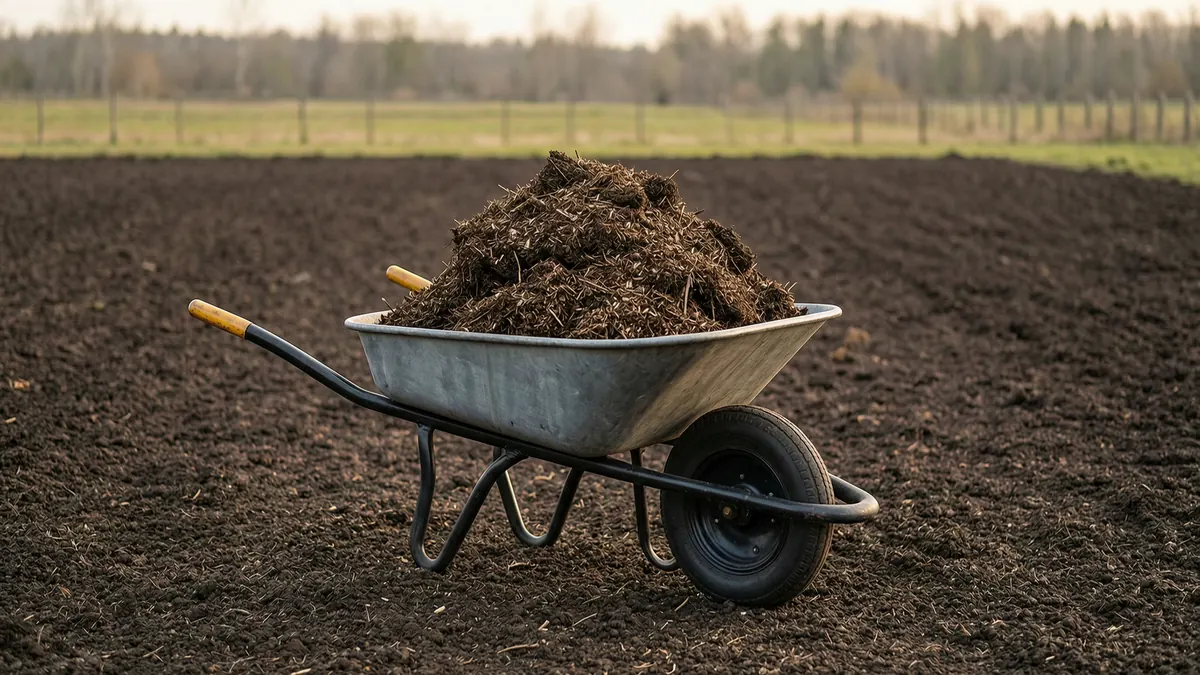
How much to charge for mulch installation
The standard quote structure, nationwide:
| Line item | Typical U.S. range | Notes |
|---|---|---|
| Bulk material | $25–$55 / cu yd | Plain hardwood low end; dyed and premium bark high end |
| Delivery fee | $50–$100 / load | Often folded into the installed price on larger orders |
| Installed price (material + delivery + labor) | $60–$120 / cu yd | Materials marked up 1.5–2x installed |
| Minimum job | $150–$250 | Covers the truck day a small order still requires |
Coverage math sizes the order. One cubic yard covers roughly 324 square feet at 1 inch deep, so the formula is: bed square footage × depth in inches ÷ 324 = yards needed. Recommend 2–3 inches — deep enough to suppress weeds and hold moisture, shallow enough not to smother roots or bark the trunks. Worked examples at a mid-range $80 per yard installed:
| Bed area | Depth | Yards (order rounded up) | Installed at $80/yd |
|---|---|---|---|
| 500 sq ft | 2 in | 3.1 → order 3.5 | $280 |
| 1,000 sq ft | 2.5 in | 7.7 → order 8 | $640 |
| 2,000 sq ft | 3 in | 18.5 → order 19 | $1,520 |
Round every order up, never down. A half-yard short means a second trip back across town, and the second trip is never billable — it is a donation to the supplier's miscount. While you measure, note the obstacles that slow spreading: steep banks, tight gates, ground-cover beds and dozens of perennials each add real minutes per yard, and the per-yard price should move with them.
Bag vs bulk: the math that wins the quote
A standard 2-cubic-foot bag holds about 0.074 cubic yards — 13.5 bags to the yard. At $4.50–$7 a bag retail, a yard of bagged mulch costs $60–$95 in material alone against $25–$55 delivered in bulk. Bags make sense only for top-ups under half a yard where rolling a truck is not worth it; above roughly two yards the bag math loses badly. That gap is your pitch. The homeowner staring down forty bags and a sedan is not comparing prices with your quote — they are comparing Saturdays, and you are selling them one back.
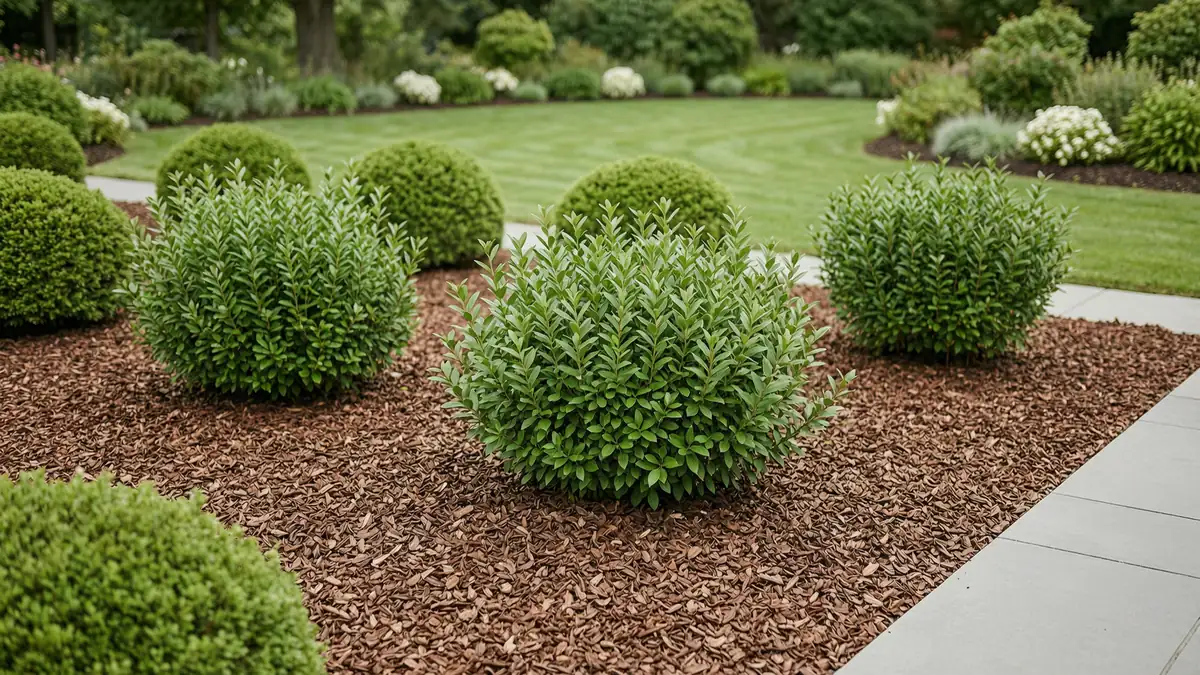
Selling mulch jobs that stick
Hold the minimum. A $150–$250 minimum keeps the two-yard top-ups from eating a truck, a loader and a morning. Below the minimum, quote the small job bundled with something else or politely leave it to the homeowner with a wagon.
Ride the spring spike. Mulch demand runs March through June, and in April the phone rings itself. Prebook installs in February with a set delivery date and hold full price — early demand is the one time of year customers expect to pay the top of the range. By July, mulch is a maintenance add-on you bundle into bed work, not a destination job.
Sell the depth, not just the yards. Quote 2–3 inches and explain why: thinner lets light through and weeds follow; deeper than 4 inches smothers roots and invites rodents. Customers who hear the reasoning accept the number and the yard count — customers who do not, audit both.
Book the refresh. Mulch fades and thins within a year. Every full install you sell this spring is a 1-inch top-dress next spring at a better margin — the beds are already edged, the customer already sold, the delivery already routed. In a trade with almost no recurring revenue, the mulch refresh is the closest thing to a subscription you will ever own.
FAQ
How much should I charge to install mulch?
Installed pricing typically runs $60–$120 per cubic yard including materials, delivery and labor. That is bulk material at $25–$55 per yard marked up 1.5–2x — the standard practice that covers delivery, spreading and short-load risk inside one number.
How many cubic yards of mulch do I need?
One cubic yard covers about 324 square feet at 1 inch deep. The formula is bed square footage × depth in inches ÷ 324, with 2–3 inches the recommended depth. Round the order up — a half-yard short means an unbillable second trip.
How many bags of mulch equal a cubic yard?
A 2-cubic-foot bag holds about 0.074 cubic yards, so 13.5 bags make a yard. At $4.50–$7 per bag that is $60–$95 per yard of material — roughly double bulk — which is why bagged mulch only wins on tiny top-up jobs.
How much should I mark up mulch?
Materials marked up 1.5–2x installed is the industry standard. The markup is not padding: it covers delivery, wheelbarrow time, rejected loads and the yard the supplier inevitably shorts you.
What's a reasonable minimum for a mulch job?
Most operators hold a $150–$250 minimum. A small order still consumes a truck, a loader and a schedule slot, and the minimum keeps that stop profitable instead of decorative.
When is the best time to sell mulch jobs?
Spring — March through June — is the demand spike. Prebook installs in February at full price while customers are planning, because by late summer mulch becomes a bundled add-on rather than a headline job.