Lawn Care Pricing Guide (2026)
What professional lawn and property services actually charge across the U.S., which pricing model fits which job, and the five mistakes that turn a full schedule into an empty bank account.
By the MowMath editorial team · Updated $1
Key numbers at a glance
| Service | Typical U.S. price | Priced best as |
|---|---|---|
| Mowing, typical suburban lawn | $35–$60 / visit | Per visit (sq ft-based) |
| Mowing, 1+ acre | $70–$150 / visit | Per visit |
| Biweekly mowing | +15–25% vs weekly | Per visit |
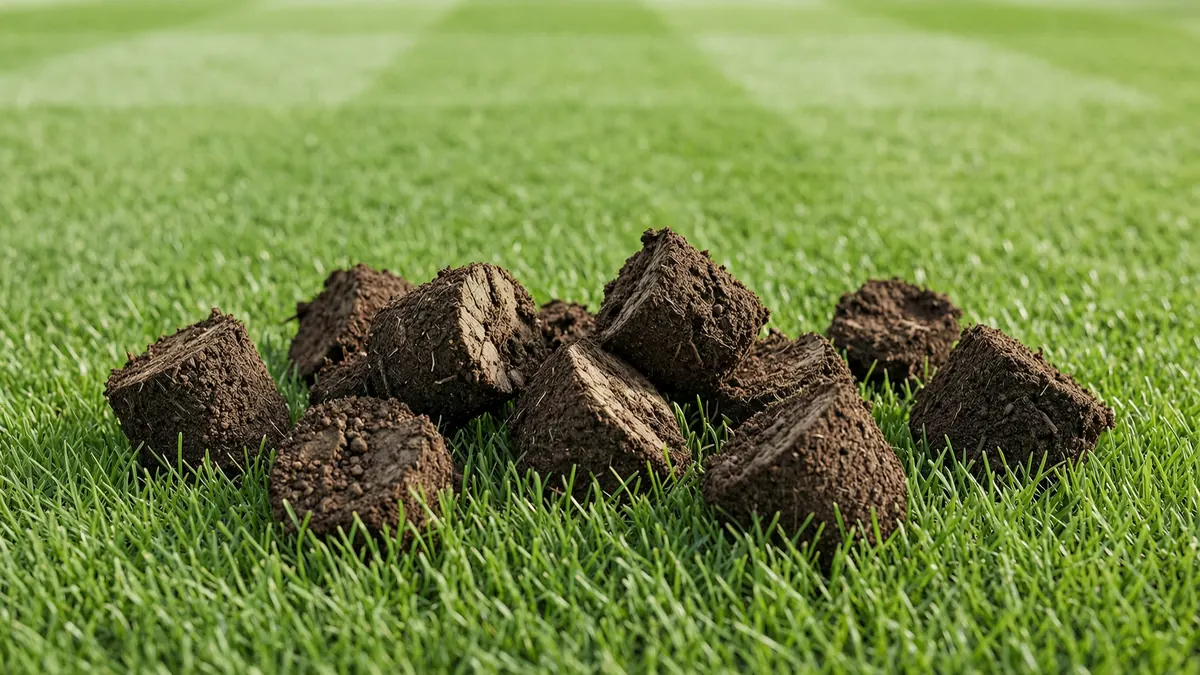
| Aeration | $0.005–$0.012 / sq ft ($75–$200 typical) | Per sq ft |
The price list
| Service | Typical U.S. price | Priced best as |
|---|---|---|
| Mowing, typical suburban lawn | $35–$60 / visit | Per visit (sq ft-based) |
| Mowing, 1+ acre | $70–$150 / visit | Per visit |
| Biweekly mowing | +15–25% vs weekly | Per visit |
| Aeration | $0.005–$0.012 / sq ft ($75–$200 typical) | Per sq ft |
| Overseeding | $0.03–$0.08 / sq ft | Per sq ft + seed cost |
| Fertilization program (5 steps) | $250–$600 / season | Package |
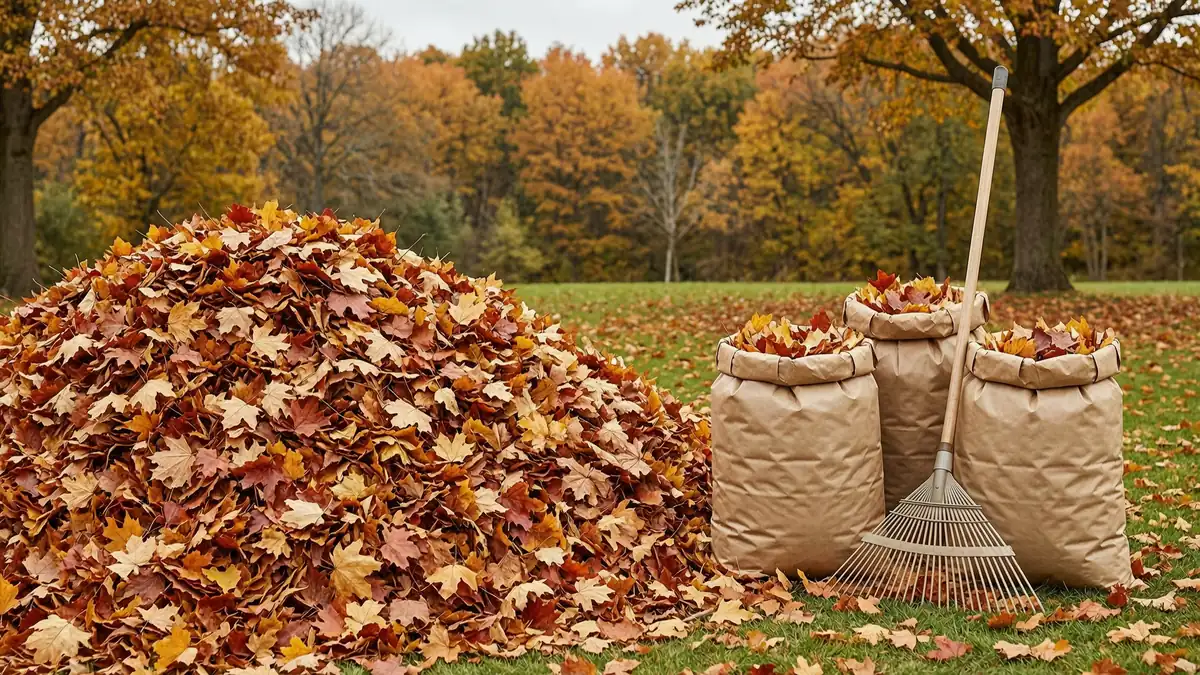
| Leaf cleanup | $150–$450 | Flat quote (volume-based) |
| Hedge / bush trimming | $50–$75 / hr or $10–$20 / bush | Hourly or per bush |
| Mulch installation | $60–$120 / cu yd installed | Per yard + materials |
| Spring / fall cleanup | $150–$500 | Flat quote |
| Pressure washing | $0.08–$0.75 / sq ft | Per sq ft by surface |
Ranges reflect typical U.S. pricing in 2026; metros run high, rural areas low. Use them as sanity checks, not gospel — your number comes from your costs (see the hourly rate calculator).
Four pricing models, and where each fits
Per visit (size-based). The workhorse for recurring mowing. Quote = base by square footage with a minimum charge. Customers love the predictability; you love it because the 12,000 sq ft corner lot stops being charity. Use the mowing price calculator.
Per square foot. Best for aeration, seeding, and anything where material and machine time scale directly with area. Easy to explain, easy to raise (or discount) transparently.
Hourly. Reserve it for unscopable work — first-time cleanups, jungle rescues, "just look at the back forty." Set your hourly floor from real costs, and always give a not-to-exceed number so the customer can relax.
Seasonal package. Fertilization programs, mowing-plus plans, "spring and fall cleanup + weekly mowing." The winner for revenue: prepaid packages smooth cash flow across the season and halve customer churn. Discount 5–10% at most — deeper discounts just donate margin.
Five mistakes that kill lawn businesses
1. Pricing by competition instead of cost. Matching the cheapest guy in town means adopting his upcoming bankruptcy. Your rate needs to cover your truck, equipment lifecycle, insurance and you — none of which his flyer knows about.
2. No minimum charge. A $25 lawn two towns over is a $25 lawn that costs you $30 in windshield time. Minimums are the single easiest margin fix in the industry.
3. Underestimating biweekly lawns. Two extra weeks of growth means double the clippings and blade wear. Charge 15–25% more per visit, or push them to weekly with a better price.
4. Quoting instantly at the door. The customer asking "ballpark?" at the mailbox is collecting bids, not awarding jobs. "Let me measure and send a real number today" wins more work at better prices than a nervous guess.
5. Never raising prices. Fuel, insurance and parts all went up; a 5% annual increase on existing customers is normal and expected. Announce it in the spring letter, keep mowing, nobody leaves over $2.
Seasonality math nobody does
A "busy season" of April–October means 32–36 revenue weeks must carry 52 weeks of living. Two fixes: price per-visit rates for a 30-ish week season (the hourly calculator does this via the weeks input), and stack shoulder-season services — leaf cleanups, aeration and overseeding in fall, snow removal or Christmas light installation in winter. The most stable solo operations earn 20–30% of annual revenue outside the mowing months.
How to present prices so they stick
Good numbers die in bad presentations. Three presentation habits that measurably raise close rates and price acceptance. Quote ranges, not point estimates — "driveway and walk, $180 to $220 depending on condition" invites a conversation; "$197.43" invites an audit. Name the outcome, then the price: "bright concrete, no more black mildew on the approach — $200" sells the after-photo they'll see; leading with the number sells the number. Offer three options, anchored top-down: driveway / driveway + house / full property day. Most customers take the middle, some surprise you upward, and the anchor makes the middle look reasonable instead of the floor look expensive.
And the quiet one: never apologize for a price. "It's $110, and that includes blowing off the porch and the fence line" — delivered like the weather. Operators who sound like they're negotiating with themselves get negotiated with. The calculators on this site exist so you know the number is right before the customer asks; the delivery is on you.
FAQ
How much should I charge for lawn mowing?
$35–$60 per visit for a typical 5,000–10,000 sq ft lawn; roughly $0.003–$0.006 per sq ft with a $30–$50 minimum. Acres run $70–$150+.
Should I charge weekly customers less than one-time customers?
Yes — recurring routes are denser and cheaper to serve. A common structure: weekly at base, biweekly +15–25%, one-time +25–50%.
How do I raise prices without losing customers?
Announce once, in writing, in spring, with a small increase (3–7%) and a reason. The customers who leave over it cost less than the margin you were donating.
How much should I charge for a spring or fall cleanup?
Typically $150–$500 flat, priced by what's actually on the ground: leaf volume, bed condition, sticks and a winter of neglect. Build it from an hourly floor of $50–$80, then round into a flat number so the customer buys an outcome instead of a clock.
How much should I charge for leaf cleanup?
One-time cleanups run $150–$450 by yard size and leaf volume, with heavy or multi-visit jobs past $450. Fall seasonal contracts — every leaf gone, timed to the drop — typically land at $300–$900 and beat one-off quotes for both cash flow and churn.
How much should I mark up mulch and materials?
Materials marked up 1.5–2x installed is standard practice: bulk mulch at $25–$55 per yard becomes $60–$120 installed. The markup covers delivery, wheelbarrow time, quality risk and the second trip when the supplier shorts you a yard.